
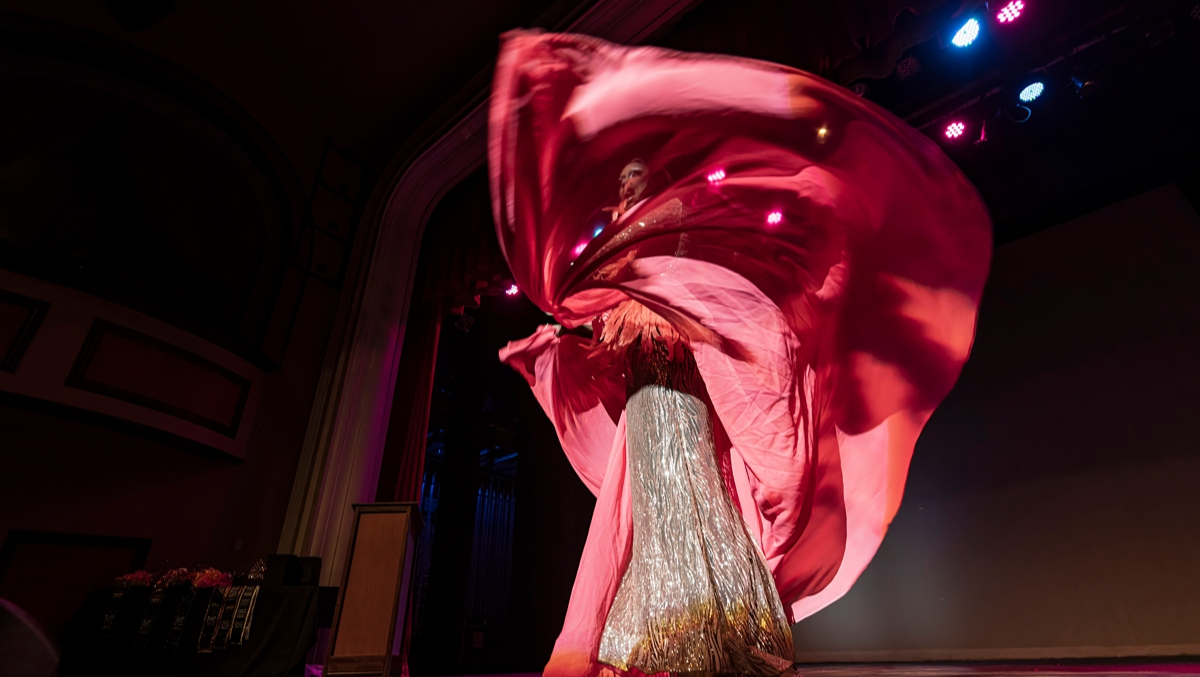
The History of Drag

Drag Is Art. Drag Is History. Drag Is Legal.
Drag is more than performance. It is a cultural tradition with deep roots in theater, art, storytelling, and community. For centuries, people across cultures have used costume, character, and gender expression as tools for creativity, entertainment, social commentary, and self-discovery.
The Drag History Project exists to preserve, document, and share this legacy. Through research, education, storytelling, and community engagement, we highlight the artists, performers, venues, and movements that have shaped drag culture. From early theatrical traditions to modern drag performance and LGBTQ+ activism, drag has played an important role in challenging expectations, celebrating individuality, and creating spaces of belonging.
Too often, drag history is overlooked or misunderstood. By exploring its historical and cultural significance, we can better understand its contributions to art, entertainment, and community. Drag is not a modern phenomenon. It is a longstanding form of artistic expression that has existed across generations.
The Drag History Project honors the performers who came before us, preserves stories that might otherwise be lost, and helps ensure that future generations understand and appreciate drag's place in our shared cultural history.
Upcoming Pop-up Dates
-
![]()
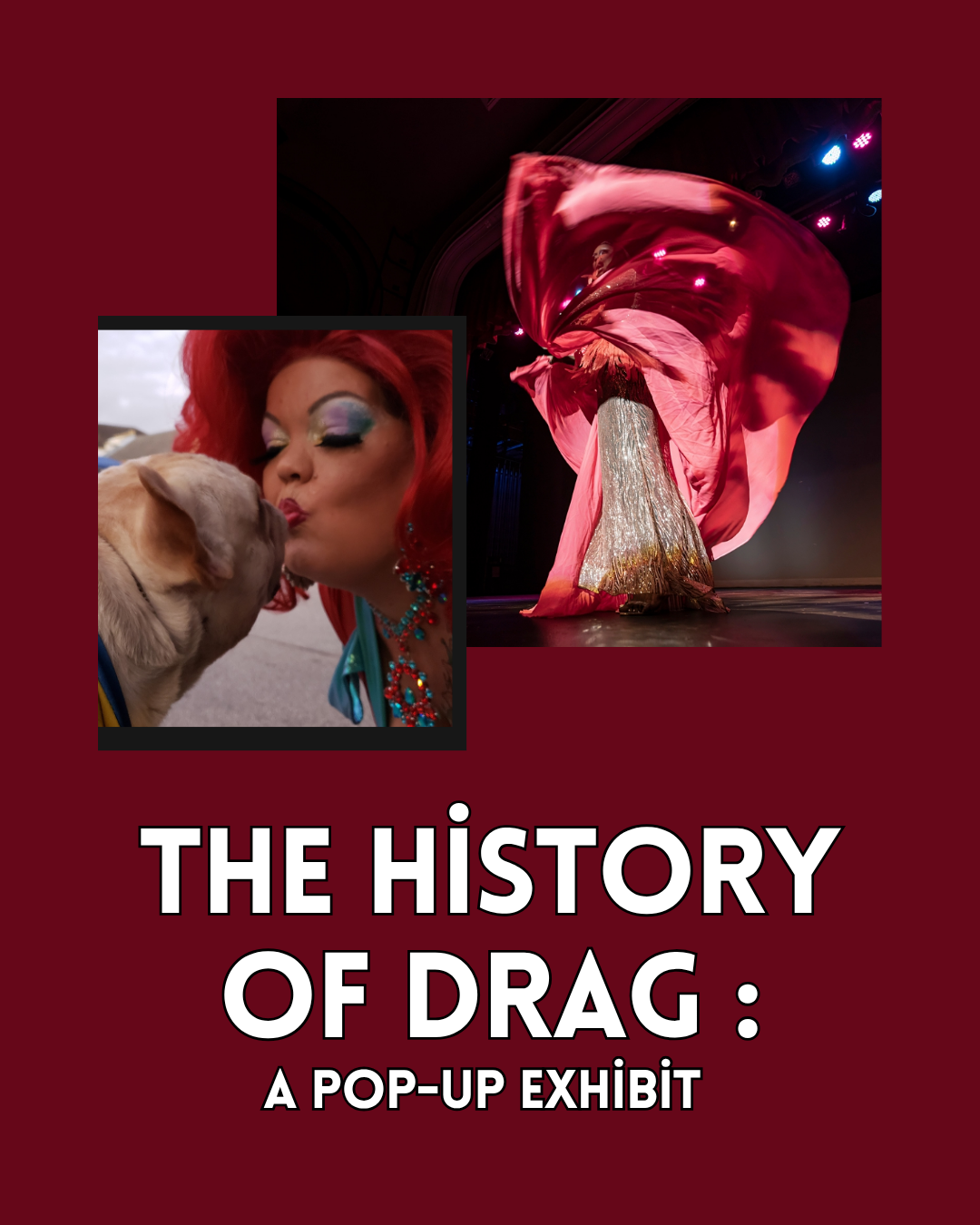
The History of Drag : A Pop-up Exhibit
The History of Drag is part of a larger Queer History Initiative created by Volusia Pride to celebrate, honor, and share the rich cultural legacy of LGBTQ+ communities. This mobile display is designed to educate, inspire, and spark conversation as it travels throughout our community — bringing queer history into public spaces where it belongs.
About This Exhibit:
The History of Drag is part of a larger Queer History Initiative created by Volusia Pride to celebrate, honor, and share the rich cultural legacy of LGBTQ+ communities. This mobile display is designed to educate, inspire, and spark conversation as it travels throughout our community — bringing queer history into public spaces where it belongs.
-
![]()
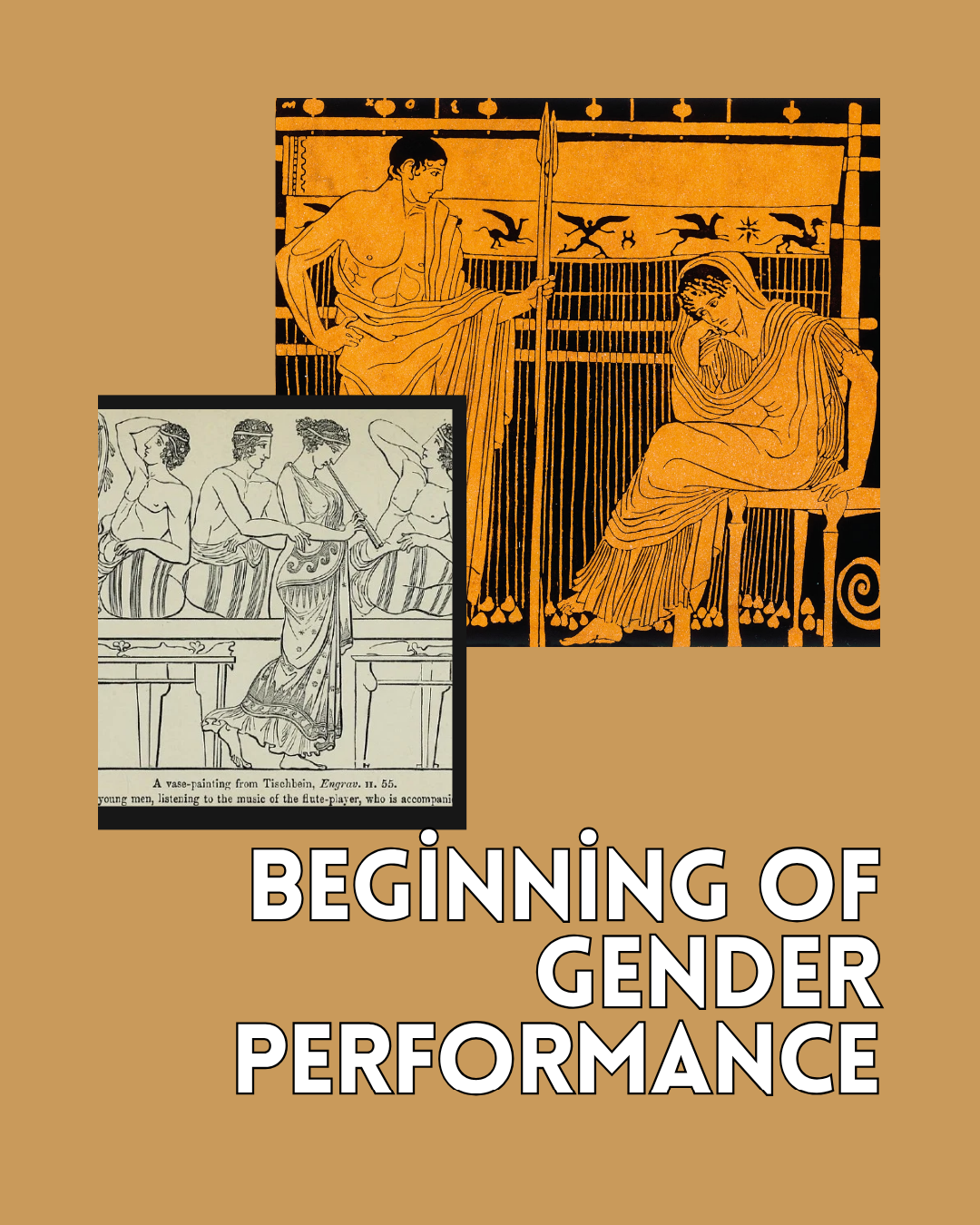
500 B.C. - Beginning of Gender Performance
The story of drag begins in the grand amphitheaters of Ancient Greece, where theater was an important part of culture and religion. Women were not allowed to perform because society believed they lacked the discipline and purity required for acting. As a result, all roles, including female ones, were played by men. These actors wore masks, wigs, and long robes to show femininity and learned to move and speak in ways that represented women. In Rome, this tradition continued, mixing entertainment with politics and art.
Some thinkers like Plato and Socrates worried that men pretending to be women could cause confusion or moral weakness. Still, these performances opened the door to understanding gender as fluid and expressive, something that could be explored through art as well as lived experience. The ancient stage became the first space where gender identity was explored publicly — planting the earliest roots of drag as both art and expression.
-
![]()
1500s - Elizabethan Theatre
During the time of William Shakespeare, women were still not allowed to perform in public theaters in England. Every role, from Juliet to Lady Macbeth, was played by men or teenage boys. Audiences viewed it as part of performance, where costume and transformation allowed stories and identities to take new shape. Many of Shakespeare’s plays, like Twelfth Night and As You Like It, used cross-dressing as part of the plot, where characters disguised themselves as the opposite gender.
This constant play with identity made people think about how gender could be performed and not fixed. The theatre became a place where gender boundaries could be safely crossed in front of the public eye. Even though it was meant as entertainment, it opened new ways to understand performance and identity — key ideas that would later define drag culture.
-
![]()
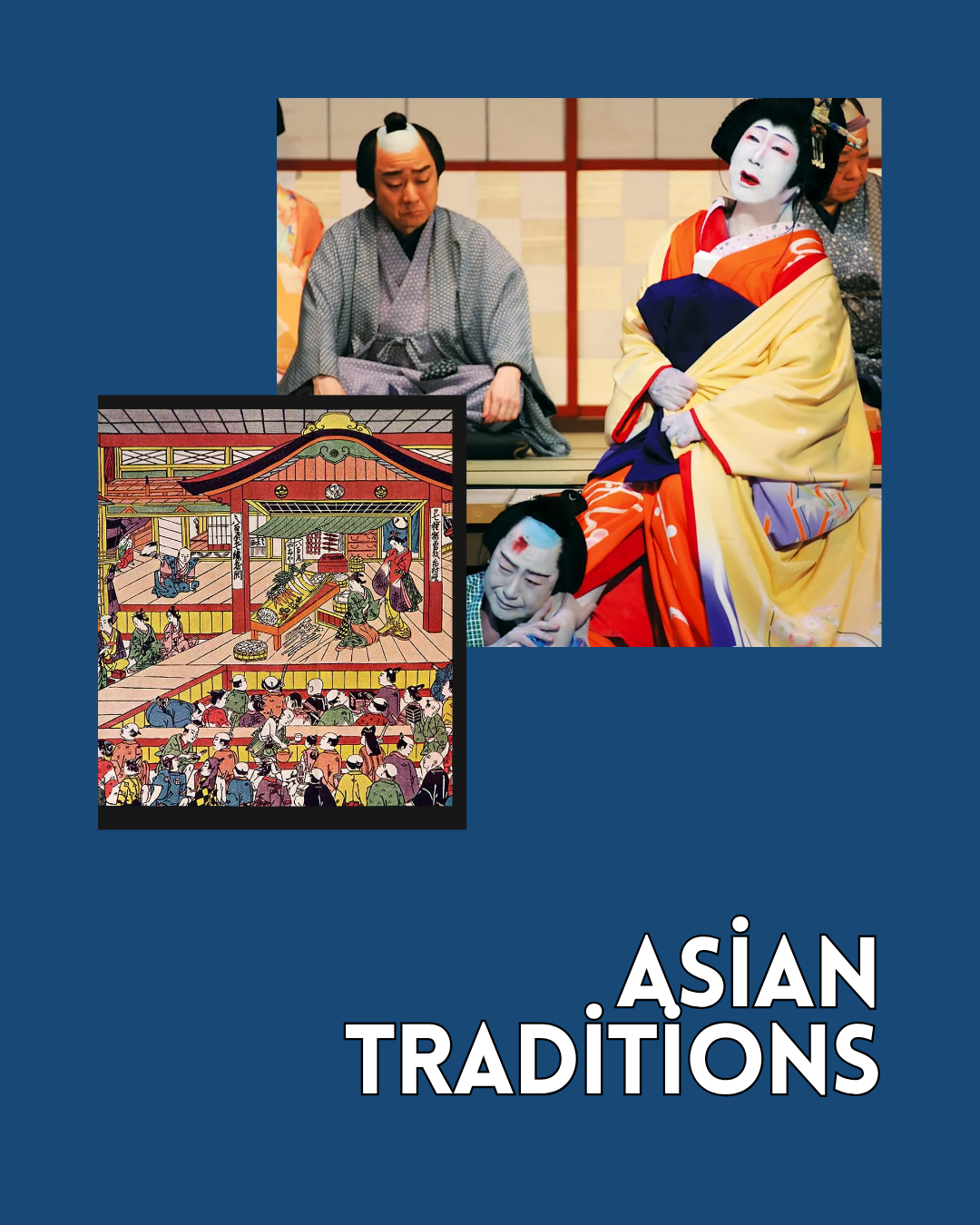
1600s - Asian Traditions
In Asia, gender performance grew through deep, artistic traditions that lasted for centuries. In Japan’s early Kabuki theater, women were the first performers, and their dances and stories drew large crowds. But in 1629, the government banned women from the stage. After this ban, male actors known as onnagata began playing female roles. They trained for years to master delicate movements, soft voices, and emotional expression. Their goal was not to “imitate” women, but to capture an ideal of beauty, elegance, and feeling that audiences admired. Over time, onnagata became some of the most respected performers in Japanese theater. In China, Peking Opera developed its own tradition of gender performance.
Male actors called dan took on female characters, learning how to show grace, gentleness, strength, or sorrow through detailed gestures and symbolic movement. Their performances were highly respected, and many became famous for their ability to portray deep emotion on stage.
These traditions remind us that drag and gender play are not modern inventions. Across cultures, performers have explored gender through art, ritual, and storytelling for hundreds of years. Their work shows that gender in performance has always been flexible, creative, and central to the beauty of theater.
-
![]()
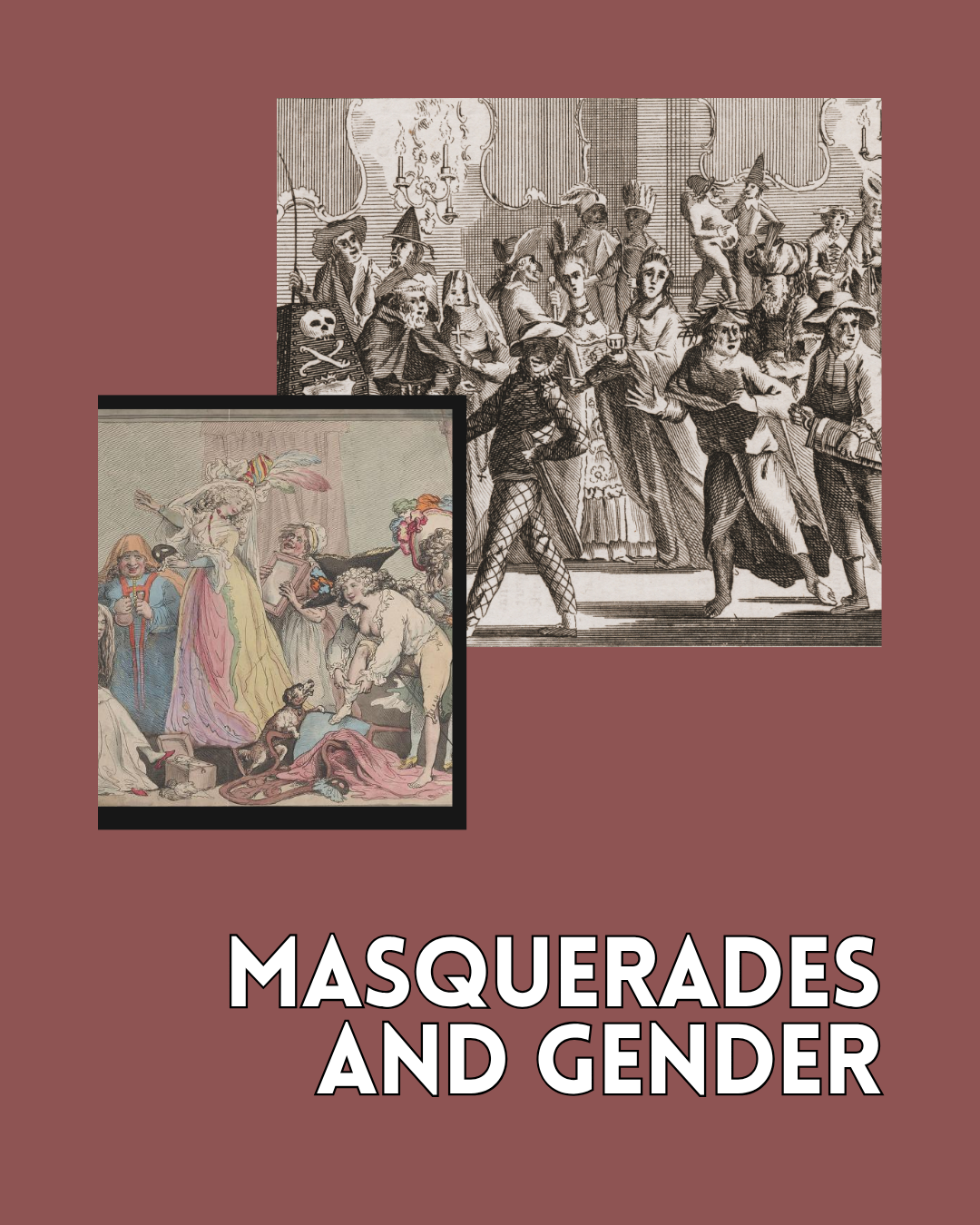
1700s - Masquerades and Gender
As Europe entered the 1700s, cross-dressing and gender play moved beyond the stage and into everyday social life. Masquerade balls became extremely popular in cities like Paris, Venice, and London. These events allowed people to hide behind masks and costumes, giving them the freedom to break strict rules about gender and class. Men wore dresses and elaborate makeup, women appeared in suits and military coats, and many attendees chose outfits that mixed or exaggerated gender on purpose. For one night, people could explore identities they normally had to hide, making the masquerade a space of play, secrecy, and curiosity. In theater and opera, gender performance also continued to evolve.
Men still took on female roles, and audiences became more aware of the humor and irony behind these performances. At the same time, actresses began playing “breeches roles,” where women wore men’s clothing on stage, something audiences found exciting and even shocking. These performances showed that costume alone could shift how gender was understood.
Together, these trends helped shape early European ideas of gender expression. Masquerades and theater gave people permission to explore themselves in new ways, setting cultural foundations for the drag performances that would later celebrate creativity, identity, and gender play more openly.
-
![]()
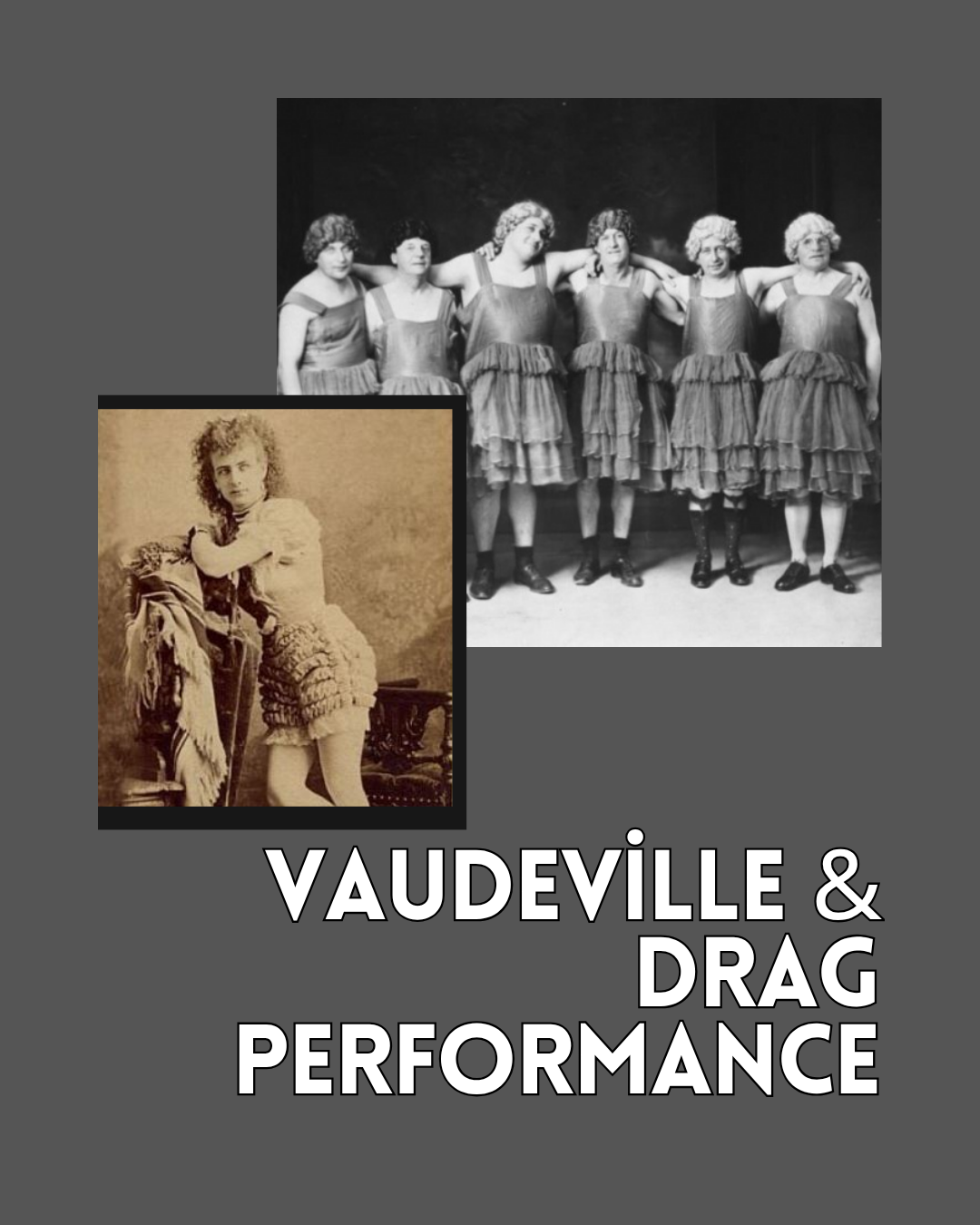
1850 - Vaudeville & Drag Performance
By the mid-1800s, drag started to take shape as a recognizable art form. In Europe and America, variety shows and vaudeville theaters featured male performers dressed as women for comedy, singing, and dance. These acts were exaggerated and humorous, but they also allowed performers to explore femininity in public. The word “drag” likely comes from this period, describing the long skirts men “dragged” on stage.
For many performers, drag was both an artistic choice and a hidden expression of queer identity. Even though society still viewed same-sex attraction as wrong, drag performances created small, safe spaces for gender expression and self-celebration. The laughter and applause they received helped keep drag alive through times when queer people had little visibility or acceptance.
-
![]()
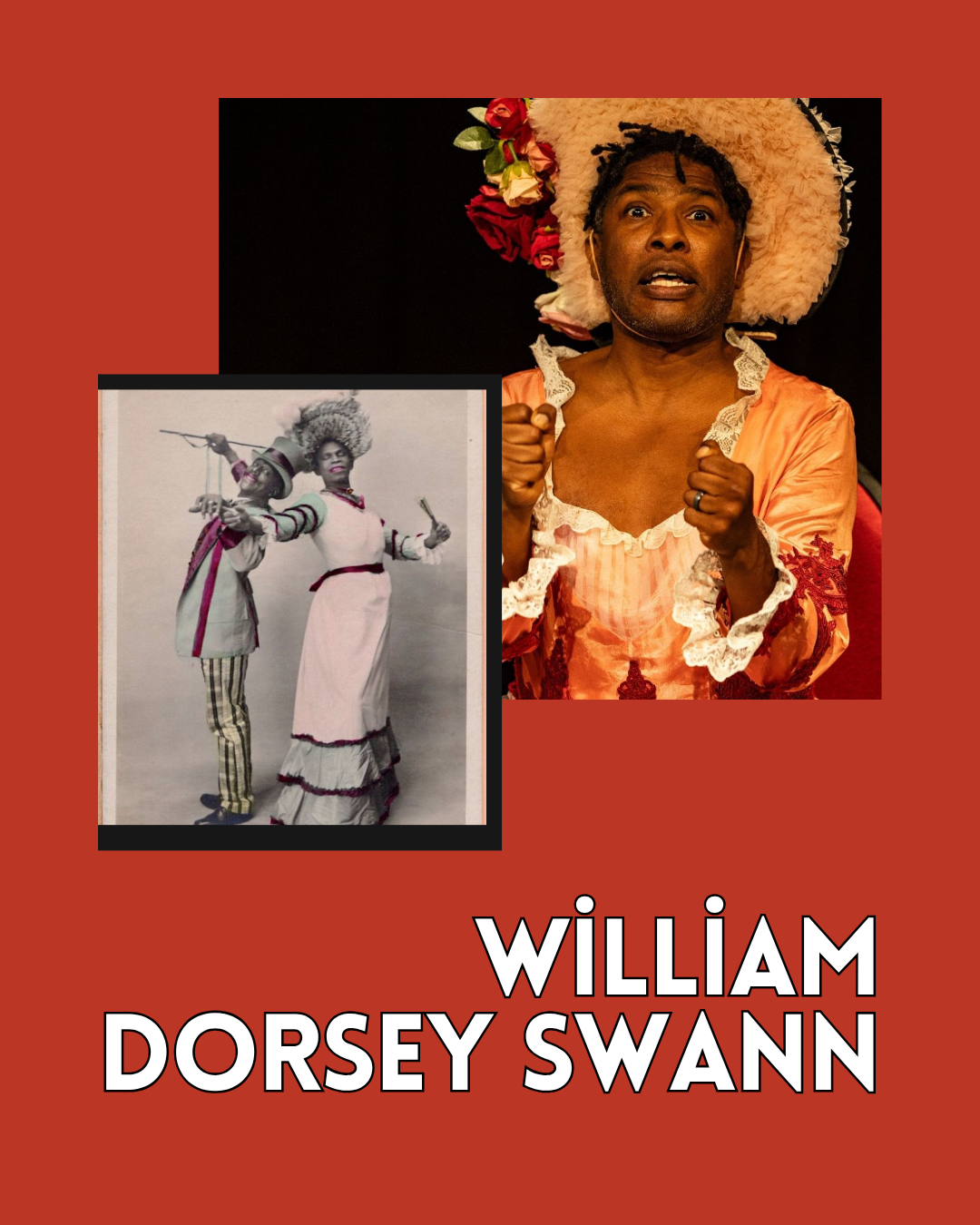
1900 -William Dorsey Swann
In the late 1800s and early 1900s, William Dorsey Swann became the first known person to call himself a “drag queen.” Born into slavery in Maryland, Swann later hosted secret drag balls in Washington, D.C., where Black men gathered to celebrate in gowns and dance. At a time when both racism and homophobia were widespread, these gatherings were acts of courage and joy.
Police often raided Swann’s events, but he stood up for himself and his community, even demanding a pardon from the president after one arrest, one of the first known legal actions for LGBTQ+ rights in U.S. history. Swann’s legacy reminds us that drag did not only begin as entertainment but as resistance and pride, built by people who risked everything for the right to exist freely.
-
![]()
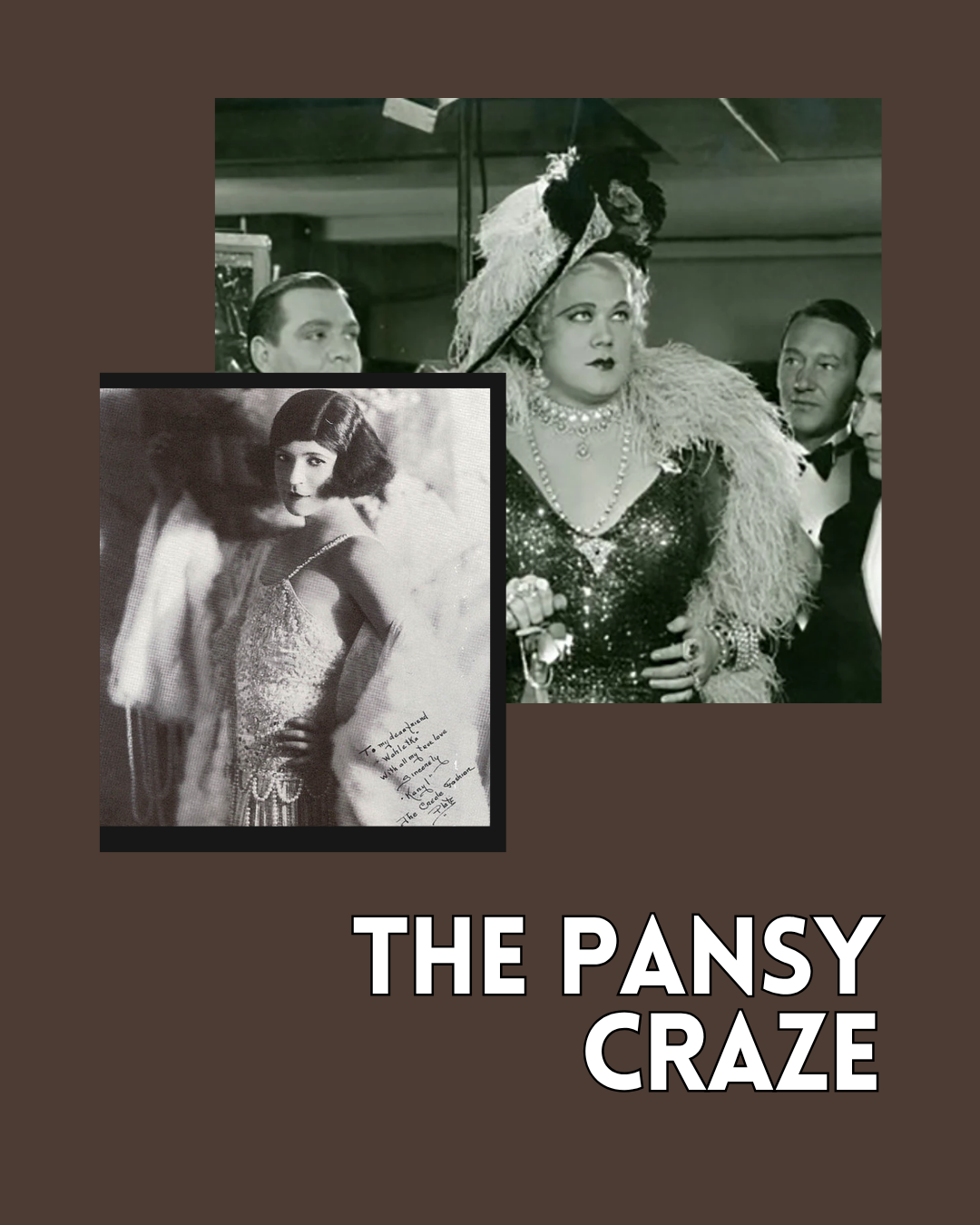
1925 - The Pansy Craze
During the 1920s and 1930s, American nightlife came alive with queer visibility in what became known as the “Pansy Craze.” After World War I, cities like New York, Chicago, and San Francisco saw a boom in underground bars, cabarets, and speakeasies. Drag performers became stars, entertaining mixed crowds with songs, jokes, and fashion.
Audiences loved the freedom and boldness of these shows, where femininity and queerness were celebrated on stage. Although society still viewed homosexuality as taboo, the Pansy Craze gave the LGBTQ+ community rare moments of acceptance and visibility. This era showed that drag could be glamorous, political, and joyful all at once paving the way for modern queer entertainment and nightlife culture.
-
![]()
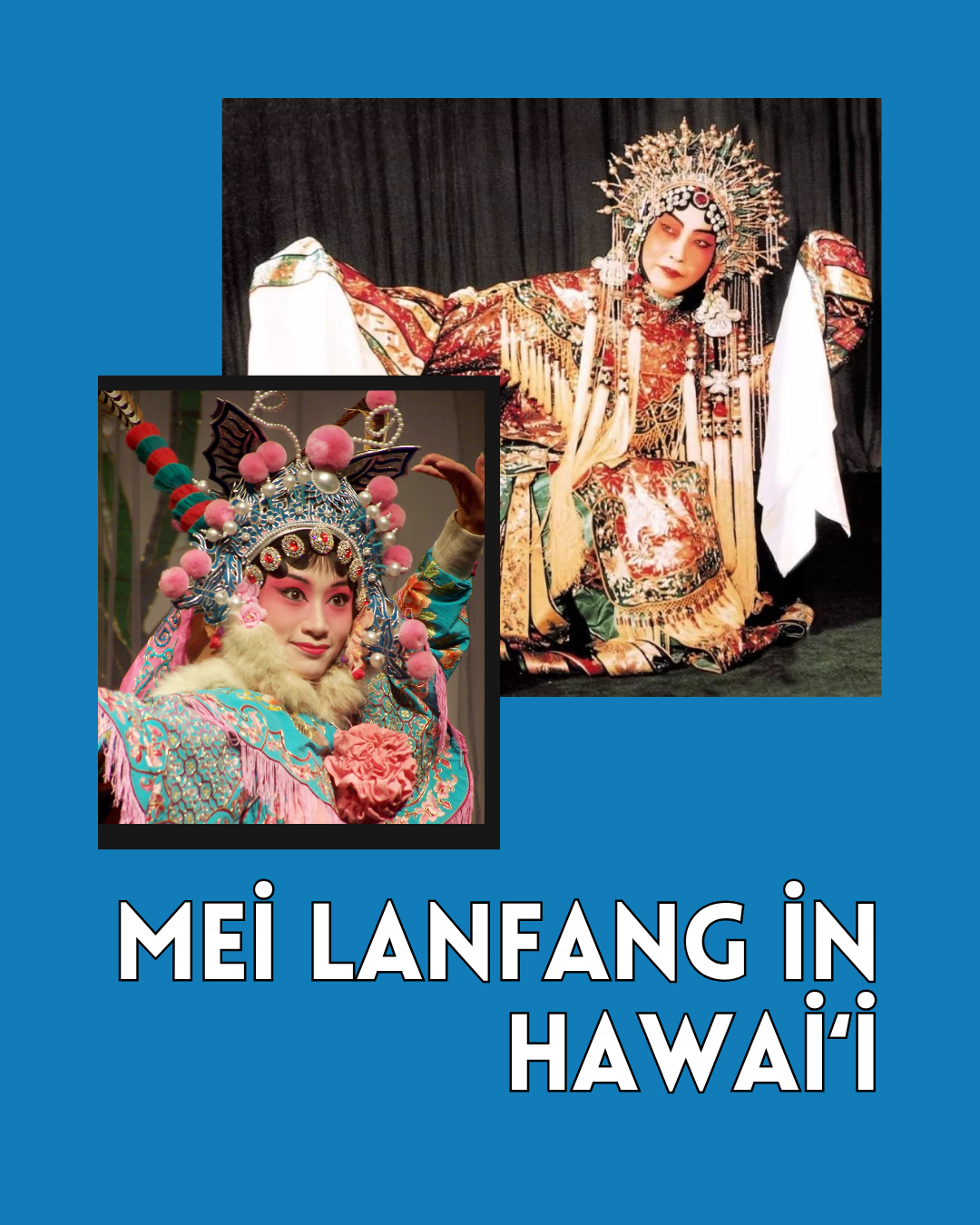
1930 -Mei Lanfang in Hawai‘i
Mei Lanfang (1894–1961) was one of the most celebrated performers in the Beijing Opera, known for playing female roles with elegant movements and a soft falsetto voice. During his two-week U.S. tour in 1930, he performed in Honolulu on April 21, 1930, giving many people in Hawai‘i their first experience with this kind of gender performance onstage. His visit made a strong impression because audiences had rarely seen a male performer portray femininity with such skill, beauty, and confidence.
Mei’s influence helped shape the cultural atmosphere that later made places like The Glade possible. The Glade became a well-known drag nightclub in Honolulu, especially among tourists and visiting military members. For many who visited, it was their first time watching a drag show. Mei Lanfang’s artistry helped prepare audiences to appreciate gender performance as something creative and expressive, opening the door for venues like The Glade to thrive.
-
![]()
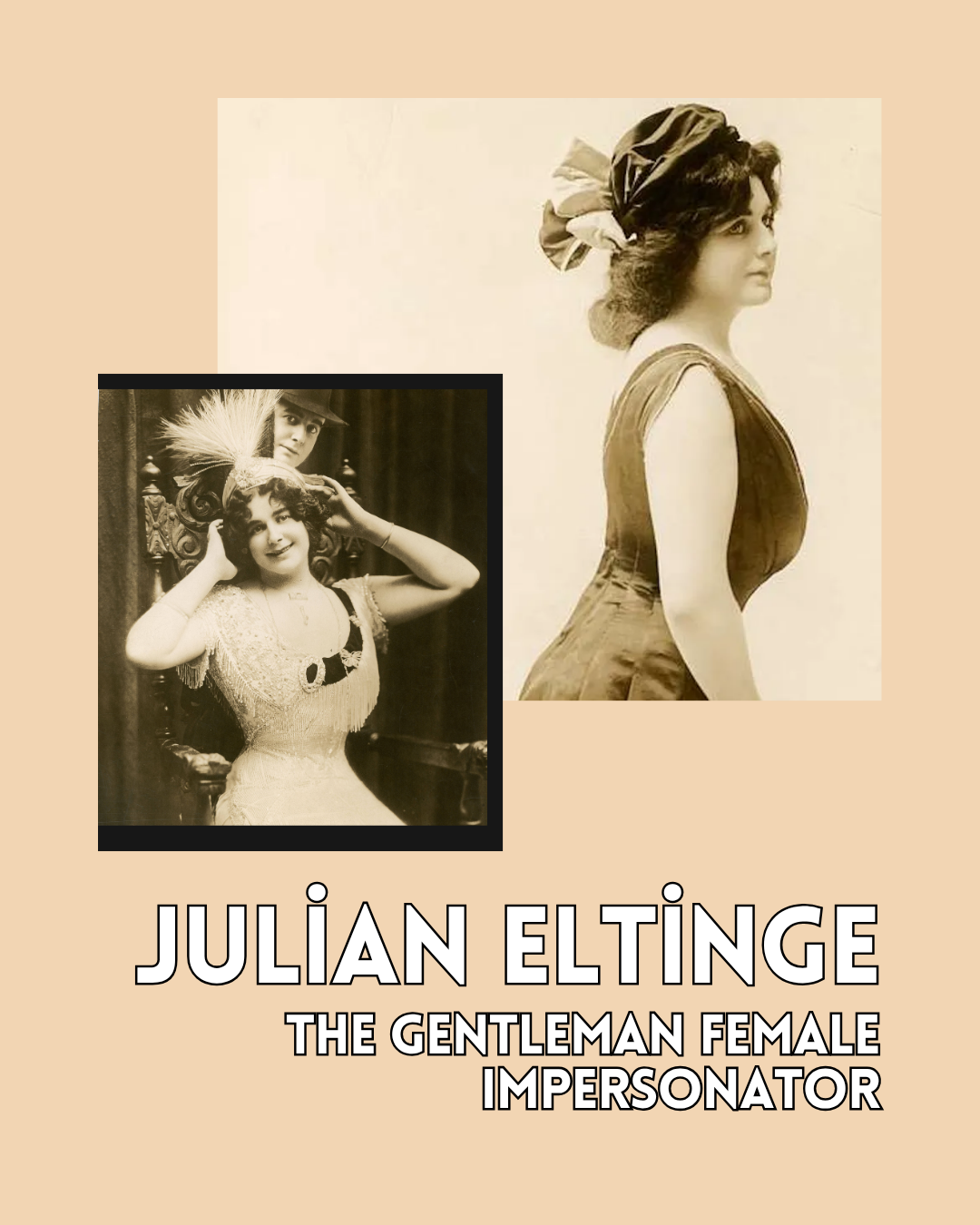
1940 - Julian Eltinge: The Gentleman Female Impersonator
Julian Eltinge was one of the most famous performers of his time, known for transforming himself into elegant female characters with incredible skill. Born in 1881, he became a major Broadway and film star during the early 20th century. Eltinge’s performances were celebrated for their beauty and precision. He could switch between masculine and feminine personas effortlessly. He even had a theater named after him in New York City.
However, as the U.S. grew more conservative in the 1930s and 1940s, Eltinge had to hide his drag persona offstage to protect his career. His success showed how captivating drag could be while also revealing the limits placed on queer expression in a world not yet ready to embrace it.
-
![]()
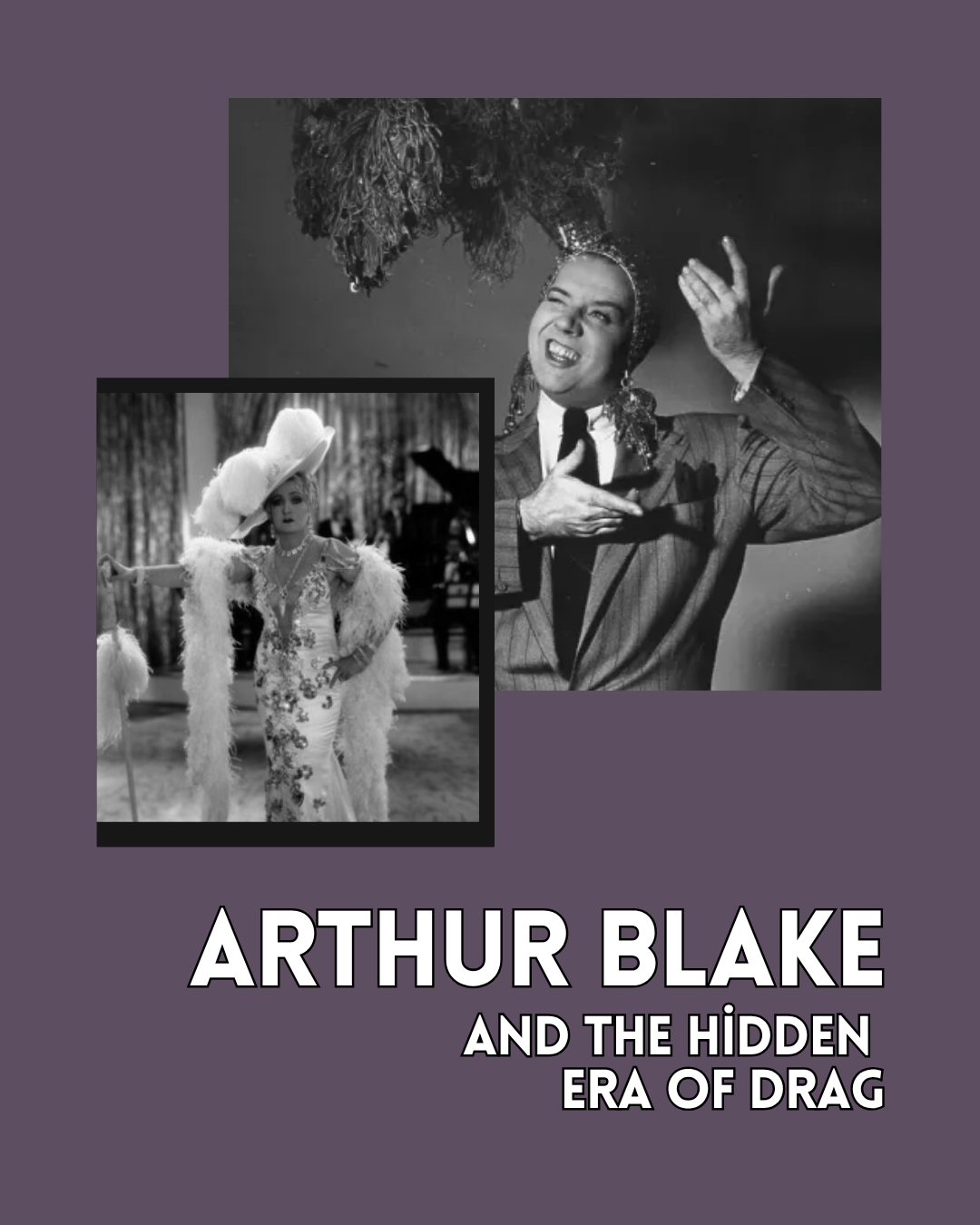
1950 -Arthur Blake: the Hidden Era of Drag
In the mid-20th century, drag continued to exist quietly despite strict laws against cross-dressing and homosexuality. Arthur Blake became one of the standout performers of this hidden era. Known for his brilliant impersonations of Hollywood stars like Bette Davis and Tallulah Bankhead, Blake performed in nightclubs and films, entertaining both queer and straight audiences. His charm and humor made him a pioneer in modern female impersonation.
Although performers like him had to disguise the queer roots of drag for safety, they kept the art alive during a time of censorship and fear.
These performances became small acts of rebellion, proving that creativity and identity could not be erased, even in the face of oppression.
-
![]()
1959 - Cooper’s Donuts Riot: Early Resistance
The 1950s were a difficult time for LGBTQ+ people in the United States. Police frequently raided gay bars, arrested drag queens, and destroyed safe spaces for the queer community.
In 1959, at Cooper’s Donuts in Los Angeles, drag queens, transgender people, and gay men fought back against one of these raids. They threw coffee, donuts, and trash at police officers, starting a riot that became one of the first known uprisings against LGBTQ+ oppression in America.
Though not widely reported at the time, the Cooper’s Donuts Riot marked a powerful moment of resistance years before Stonewall. It showed that the queer community, often led by drag queens and trans women, would no longer stay silent in the face of injustice.
-
![]()
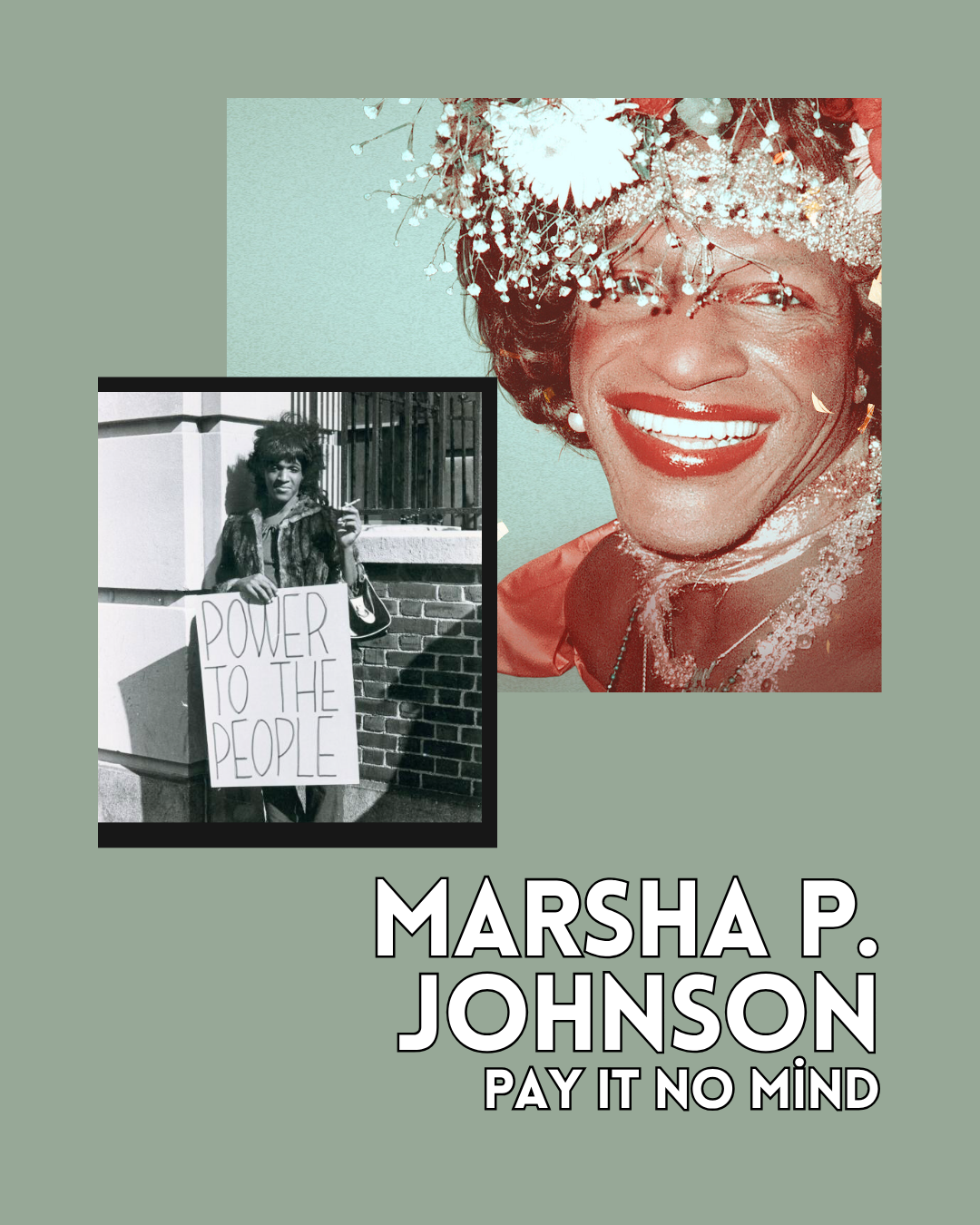
1960s - Marsha P. Johnson: Pay It No Mind
Marsha P. Johnson was a Black LGBTQ+ activist and performer who became one of the most influential figures in the modern LGBTQ+ rights movement. Born in Elizabeth, New Jersey, in 1945, Johnson moved to New York City in the 1960s, where she became a well-known part of the Greenwich Village queer community through her activism and vibrant personality. Johnson is closely associated with the 1969 Stonewall Riots, a major turning point in the fight for LGBTQ+ equality. Following Stonewall, she helped found Street Transvestite Action Revolutionaries (STAR) alongside Sylvia Rivera, an organization focused on supporting homeless transgender and queer youth.
Known for saying the “P.” in her name stood for “Pay It No Mind,” Johnson became a lasting symbol of resilience, compassion, and advocacy for marginalized members of the LGBTQ+ community.
-
![]()
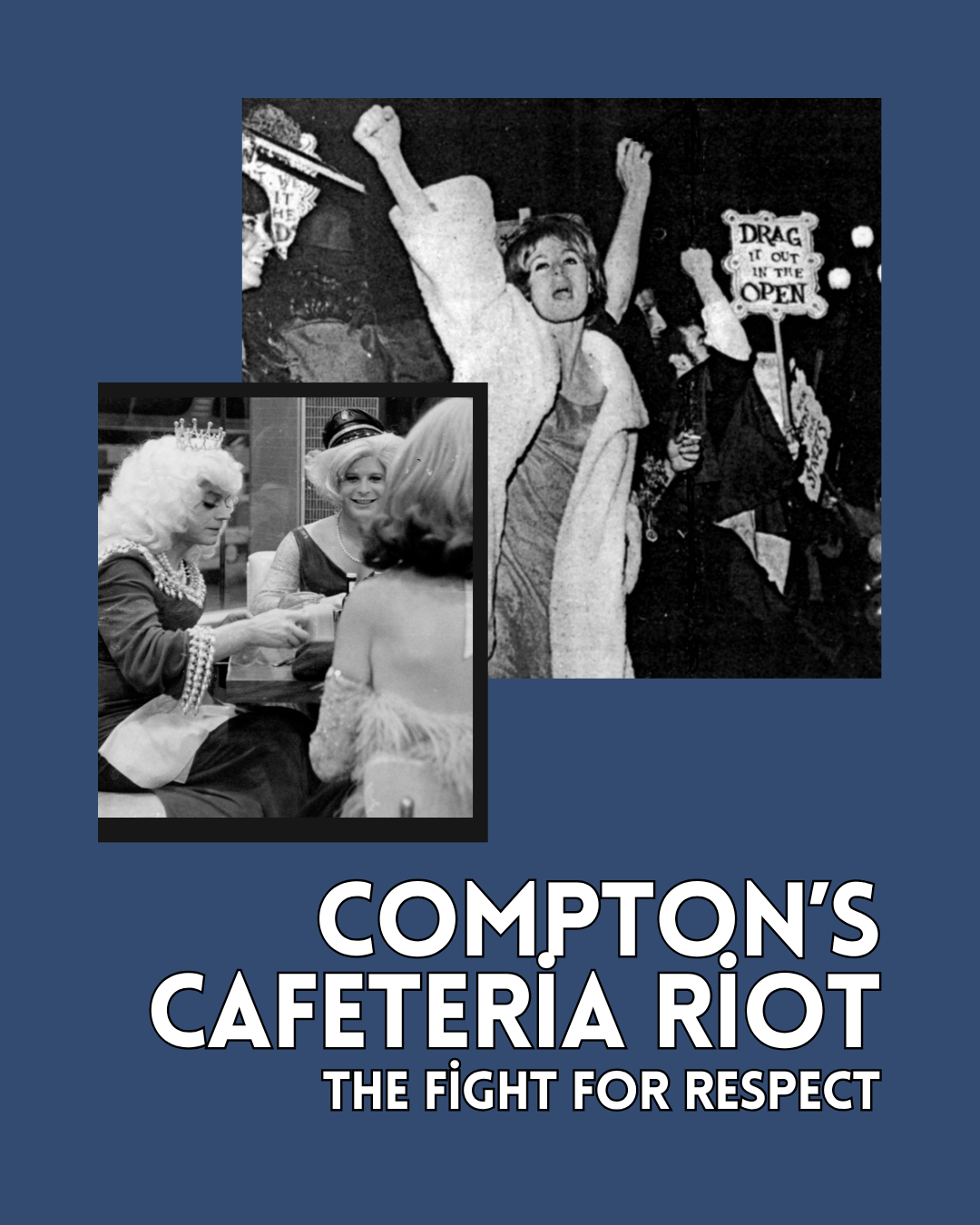
1966 - Compton’s Cafeteria Riot: The Fight for Respect
In 1966, three years before Stonewall, drag queens and transgender women in San Francisco’s Tenderloin district stood up against police harassment at Compton’s Cafeteria.
When officers tried to arrest a drag queen, she threw coffee in their face, sparking a full riot. Tables were flipped, windows were broken, and the community refused to be silenced. This event marked one of the first organized acts of queer resistance in the United States.
Compton’s Cafeteria was more than a diner, it was a refuge for people who were often rejected by family and society. The riot showed the growing strength of the LGBTQ+ community and their demand for dignity. It proved that drag queens and trans women were not just entertainers, but brave leaders who stood at the front lines of change.
-
![]()
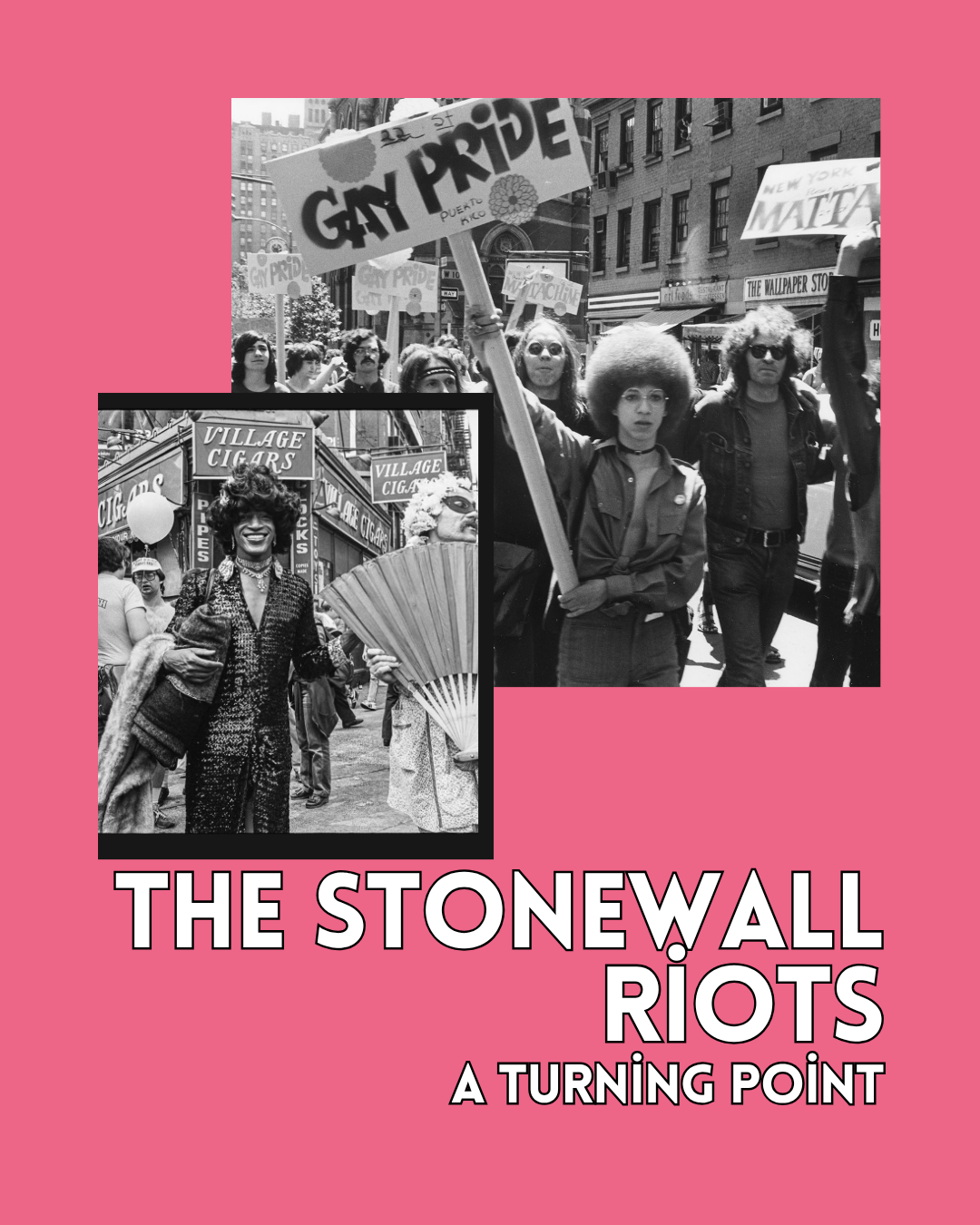
1969 - The Stonewall Riots: A Turning Point
In the early morning hours of June 28, 1969, police raided the Stonewall Inn, a gay bar in New York City’s Greenwich Village. Raids were common, but that night the community fought back. Drag queens, transgender women, and gay patrons resisted arrest, throwing bottles and shouting for freedom. The protests lasted for several days, spreading across the city.
Activists like Marsha P. Johnson and Sylvia Rivera became powerful symbols of courage and unity. Stonewall became the spark that ignited the modern LGBTQ+ rights movement.
It was a moment of pride, pain, and empowerment that inspired countless others to come out and demand equality. The drag queens who stood their ground at Stonewall forever changed the course of history.
-
![]()
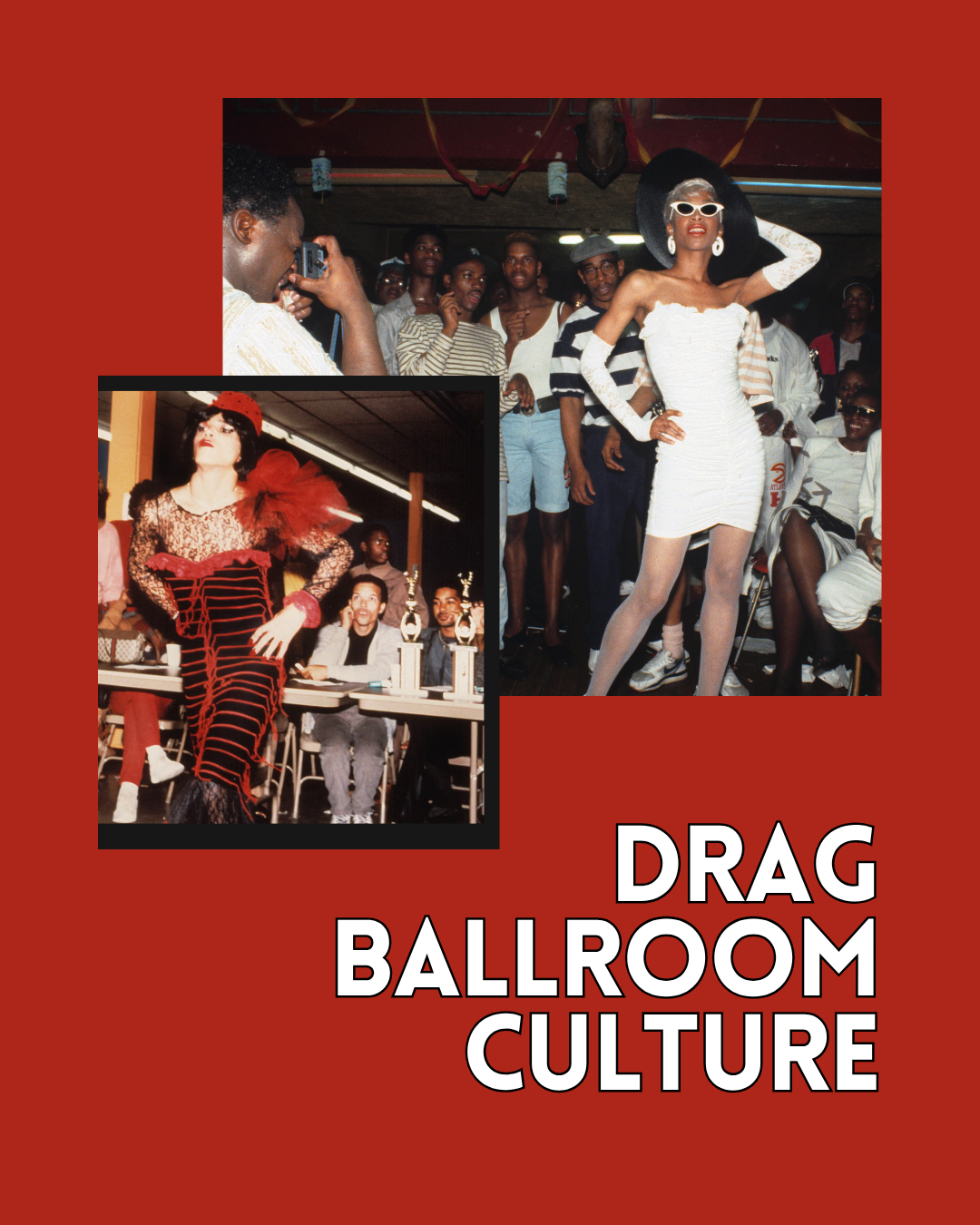
1970s - Drag Ballroom Culture
The drag ballroom scene that emerged in the 1970s grew out of earlier Black and Latinx drag ball traditions in New York, but it became its own powerful cultural movement as LGBTQ people of color created spaces where they could be celebrated, compete, and build community. At the center of this shift was Crystal LaBeija, whose response to racism in the mainstream drag world helped launch the House of LaBeija and inspired the house system that became a defining feature of ballroom culture. In these houses, members found chosen family, mentorship, and survival, while balls offered a stage for categories like runway, performance, and voguing that turned self-presentation into art and resistance. Over time, ballroom became a refuge, a social network, and a source of pride for queer and trans people who were often excluded from mainstream spaces. The scene’s influence spread through fashion, dance, language, and pop culture, and its legacy remains visible in drag performance today. The ballroom world helped redefine drag as both a creative practice and a form of community survival, making it one of the most important queer cultural movements of the late 20th century.
-
![]()
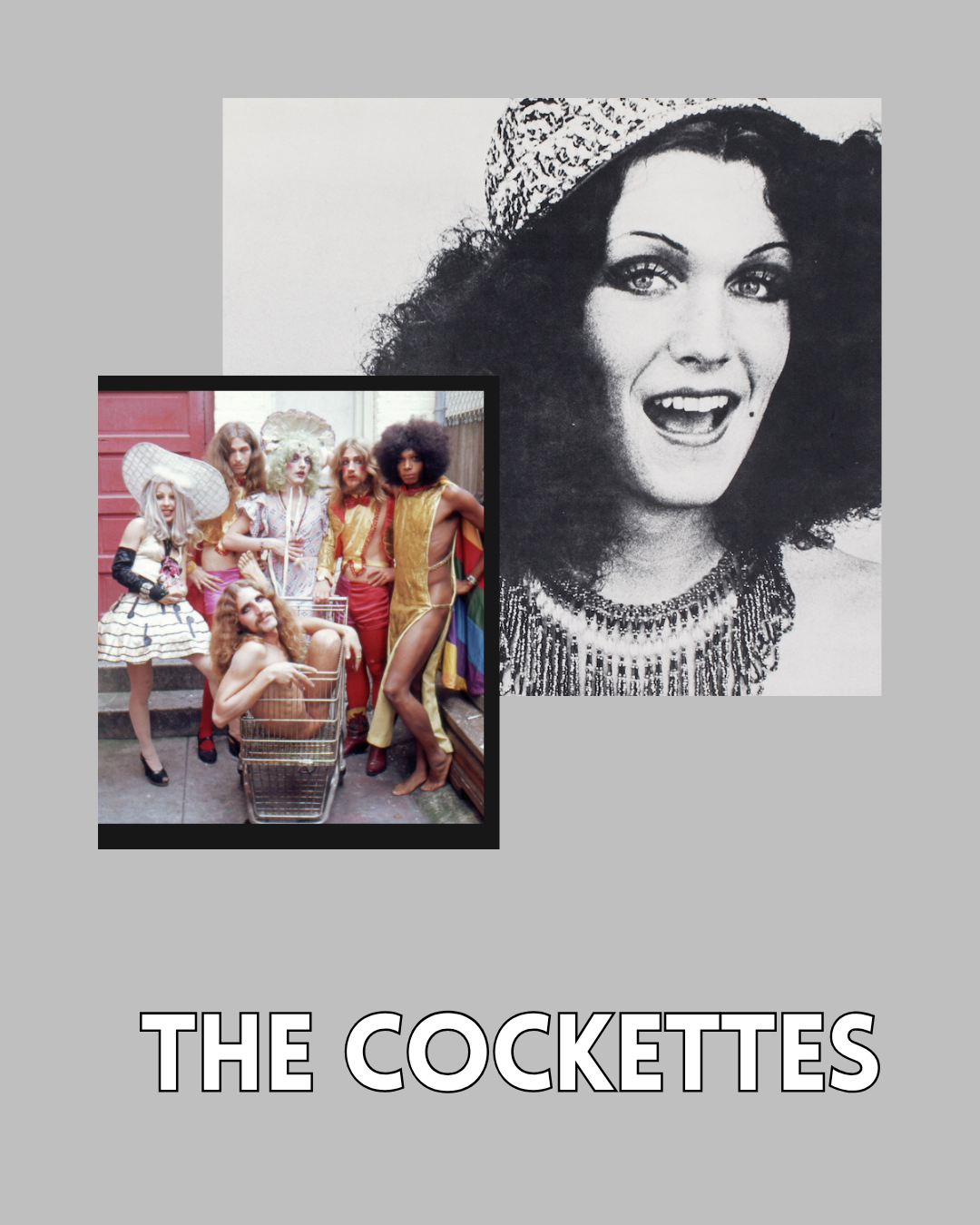
1970s - The Cockettes
The Cockettes were a groundbreaking San Francisco performance troupe that emerged in 1969 and became famous in the early 1970s for their glitter-filled, gender-bending midnight shows. Born out of the city’s psychedelic counterculture and Haight-Ashbury commune scene, they mixed drag, theater, music, satire, and improvisation into exuberant performances that blurred the line between art and everyday life. With handmade costumes, outrageous makeup, and a fearless embrace of camp, they challenged strict ideas about gender and sexuality while creating a style that was playful, political, and unforgettable.
Although the troupe was short-lived, ending in 1972, their influence spread far beyond San Francisco. The Cockettes helped expand drag into a broader form of queer performance and inspired later artists, theater groups, and the visual language of glam and “genderfuck” expression. Their legacy lives on as a symbol of liberation, experimentation, and the power of performance to celebrate identity on its own terms.
-
![]()
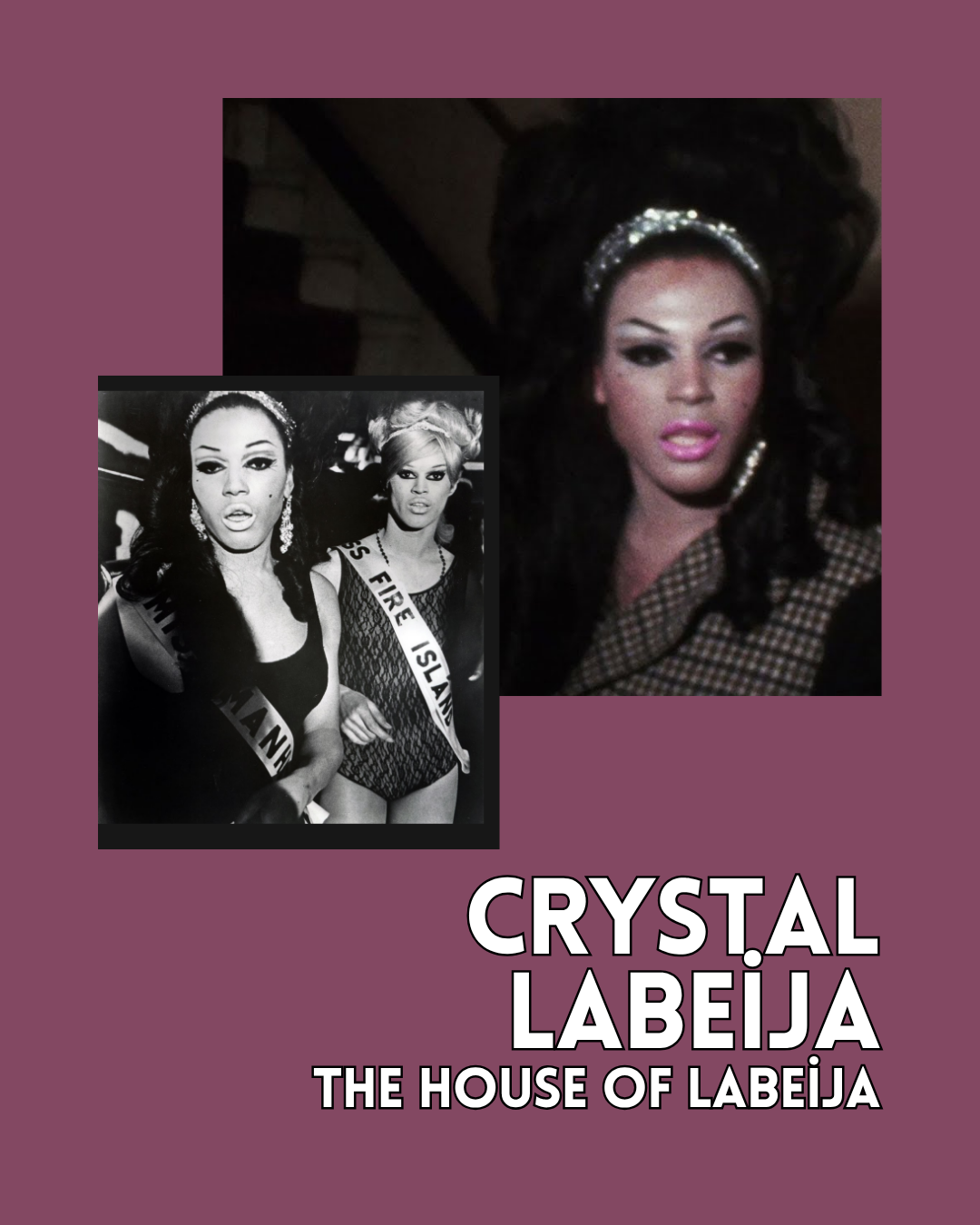
1972 - Crystal LaBeija, The House of LaBeija
The House of LaBeija was the first ballroom house and one of the most important foundations of modern ballroom culture. Founded by Crystal LaBeija and Lottie LaBeija in the early 1970s, the house grew out of Crystal’s refusal to accept the racism and exclusion she faced in New York’s drag pageant scene. In response, Crystal helped create a space where Black and Brown queer and trans people could be celebrated on their own terms, with the first House of LaBeija Ball marking a turning point in ballroom history.
More than a performance group, the House of LaBeija introduced the idea of ballroom as chosen family, mentorship, and community care. Its legacy helped shape the house system that remains central to ballroom today, influencing generations of artists, performers, and LGBTQ communities. Crystal LaBeija’s vision turned protest into institution, creating a cultural legacy that still resonates in drag, ballroom, and queer history.
-
![]()
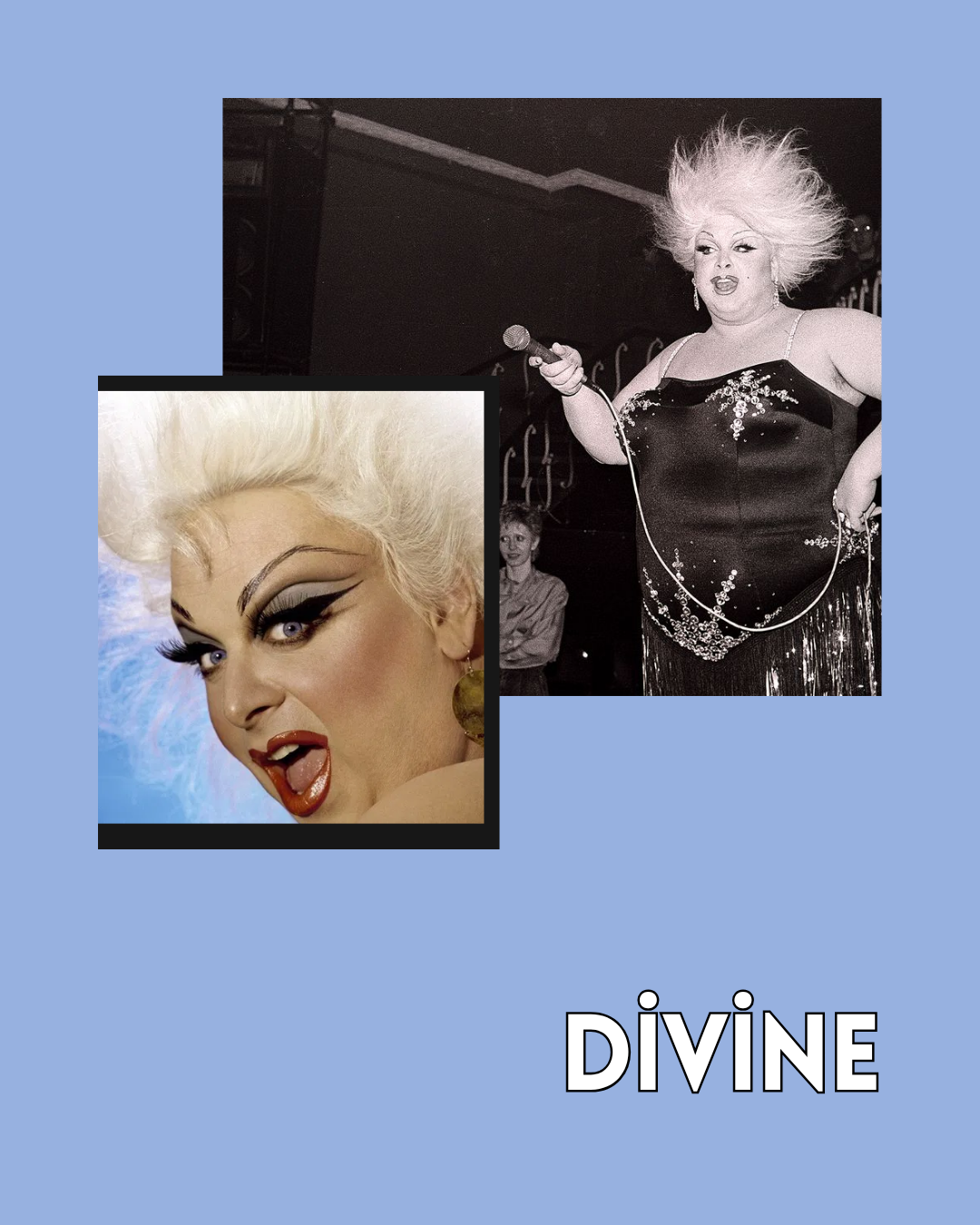
1974 - Divine
Divine, born Harris Glenn Milstead, was one of the most outrageous and influential drag performers of the 20th century. Rising to fame in the early 1970s, Divine became an underground icon through her collaborations with filmmaker John Waters, especially in films such as Multiple Maniacs (1970), Pink Flamingos (1972), and Female Trouble (1974). With extreme makeup, towering hair, and a fearless embrace of camp and shock, Divine turned drag into a form of rebellion that challenged mainstream ideas about beauty, gender, and good taste.
Beyond the screen, Divine helped define a new kind of queer celebrity — one built on boldness, humor, and unapologetic self-expression. Her performances made her a cult figure in underground cinema and later a mainstream sensation in music and popular culture. Divine’s legacy endures because he pushed drag into new territory, proving that performance could be funny, confrontational, glamorous, and radically liberating all at once.
-
![]()
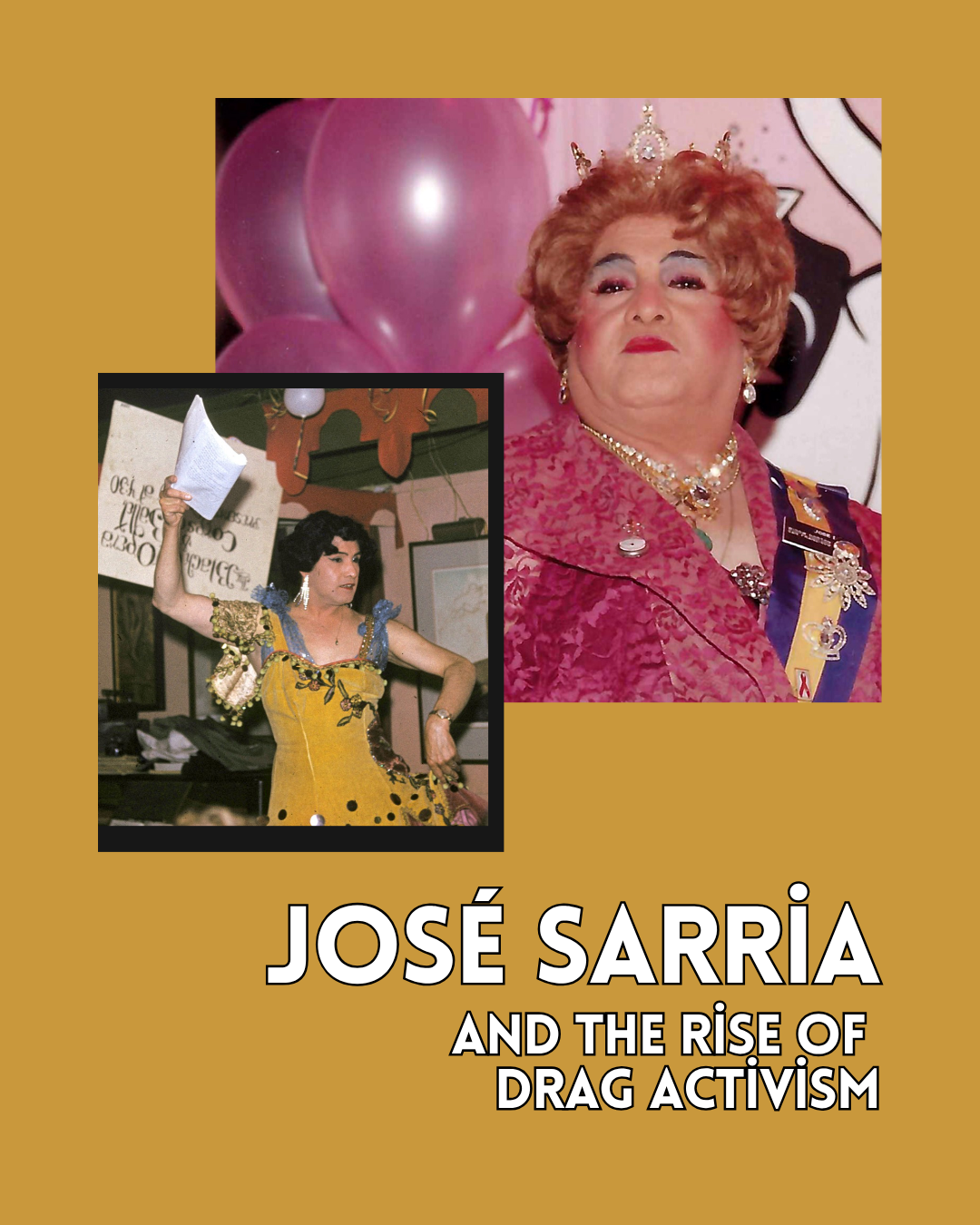
1980 - José Sarria and the Rise of Drag Activism
In the 1980s, drag became a visible force for political change, led by figures like José Sarria. Known as “The Nightingale of Montgomery Street,” Sarria was a beloved drag performer in San Francisco who used his platform to speak out for gay rights. In 1961, he became the first openly gay person to run for public office in the United States. Later, he founded the Imperial Court System, a charitable drag organization that raised funds for LGBTQ+ causes and built a global community of performers. At a time when the AIDS crisis was devastating queer lives, Sarria and others proved that drag could unite people and give them hope. He showed that drag is not just about entertainment, it is about leadership, compassion, and community.
-
![]()
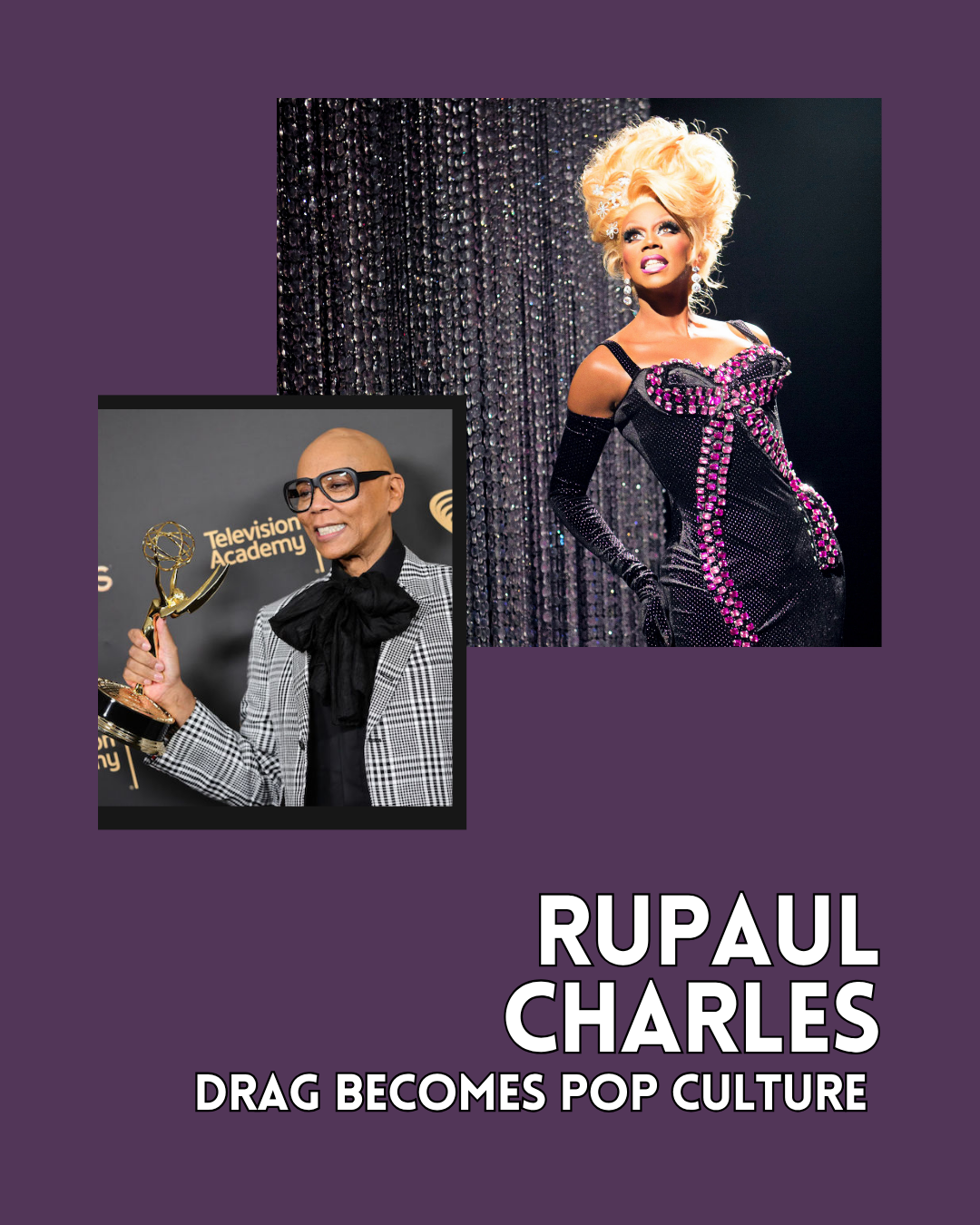
1990 -RuPaul Charles: Drag Becomes Pop Culture
In the 1990s, RuPaul Charles changed the world’s view of drag forever. With his hit song “Supermodel (You Better Work)” and his message of confidence and self-love, he became the first drag queen to achieve international fame. RuPaul’s success showed that drag could be powerful, glamorous, and inspiring. He appeared in magazines, talk shows, and even major brand campaigns, all while reminding the world that “if you can’t love yourself, how in the hell are you gonna love somebody else?” His rise to fame opened doors for countless performers and brought drag out of underground clubs and into living rooms everywhere. The 1990s marked the beginning of drag as a mainstream art form, built on pride, resilience, and individuality.
-
![]()
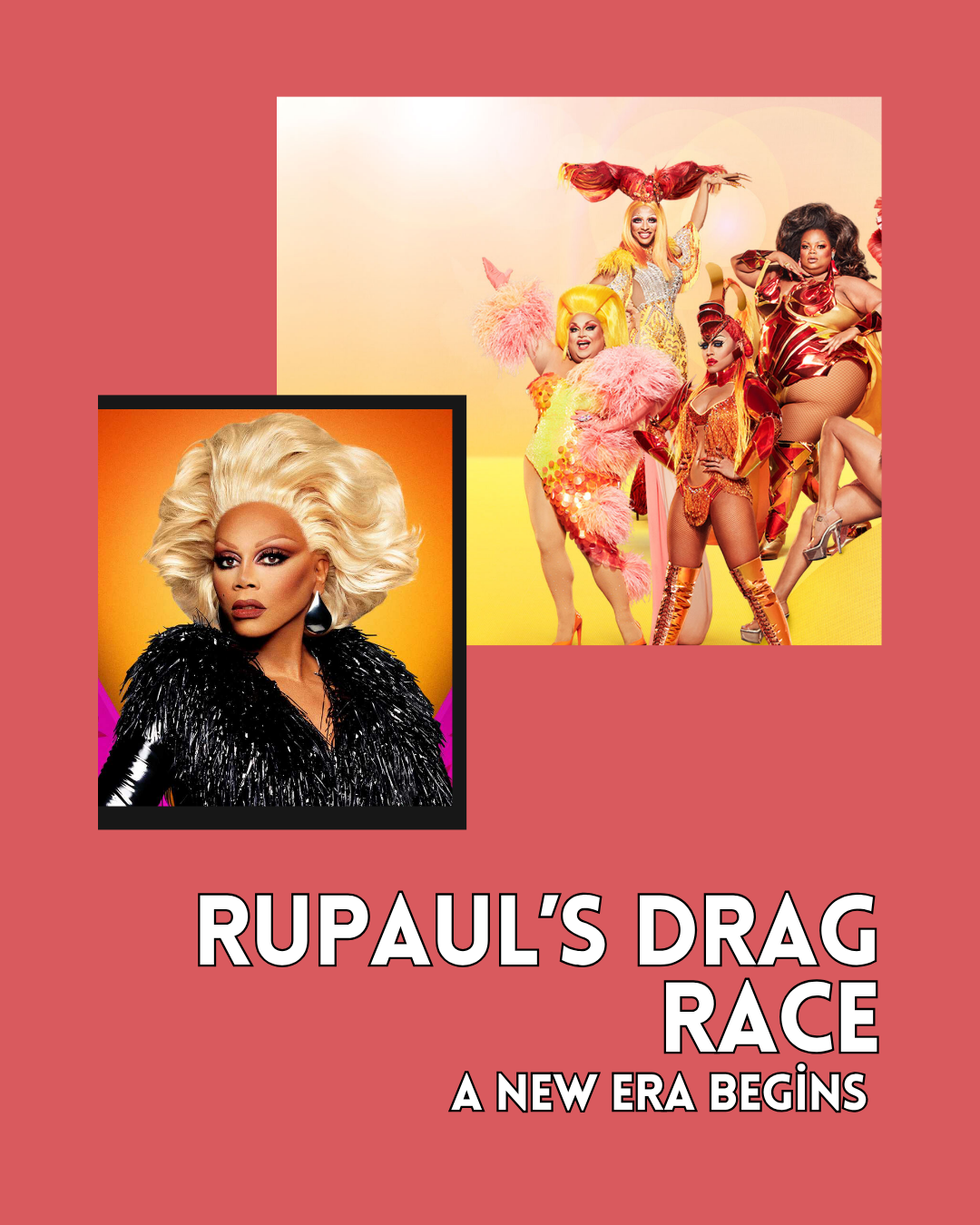
2009 - RuPaul’s Drag Race: A New Era Begins
In 2009, RuPaul’s Drag Race premiered on television, starting a revolution in entertainment. The show introduced millions of viewers to the creativity, humor, and heart behind drag. Contestants competed in fashion, acting, and performance challenges that celebrated queer culture while honoring drag’s deep history. Beyond the glitter and jokes, Drag Race became a platform for self-expression, acceptance, and community. It brought LGBTQ+ stories to audiences worldwide and inspired a new generation to explore gender and art in their own ways. By the end of the 2000s, drag was no longer hidden, it had become a cultural force that celebrated uniqueness and authenticity.
The success of RuPaul’s Drag Race transformed drag from a niche art form into a global movement. For the first time, drag queens became household names, appearing at award shows, in music videos, and on red carpets.
-
![]()
2010 - The Global Expansion of Drag
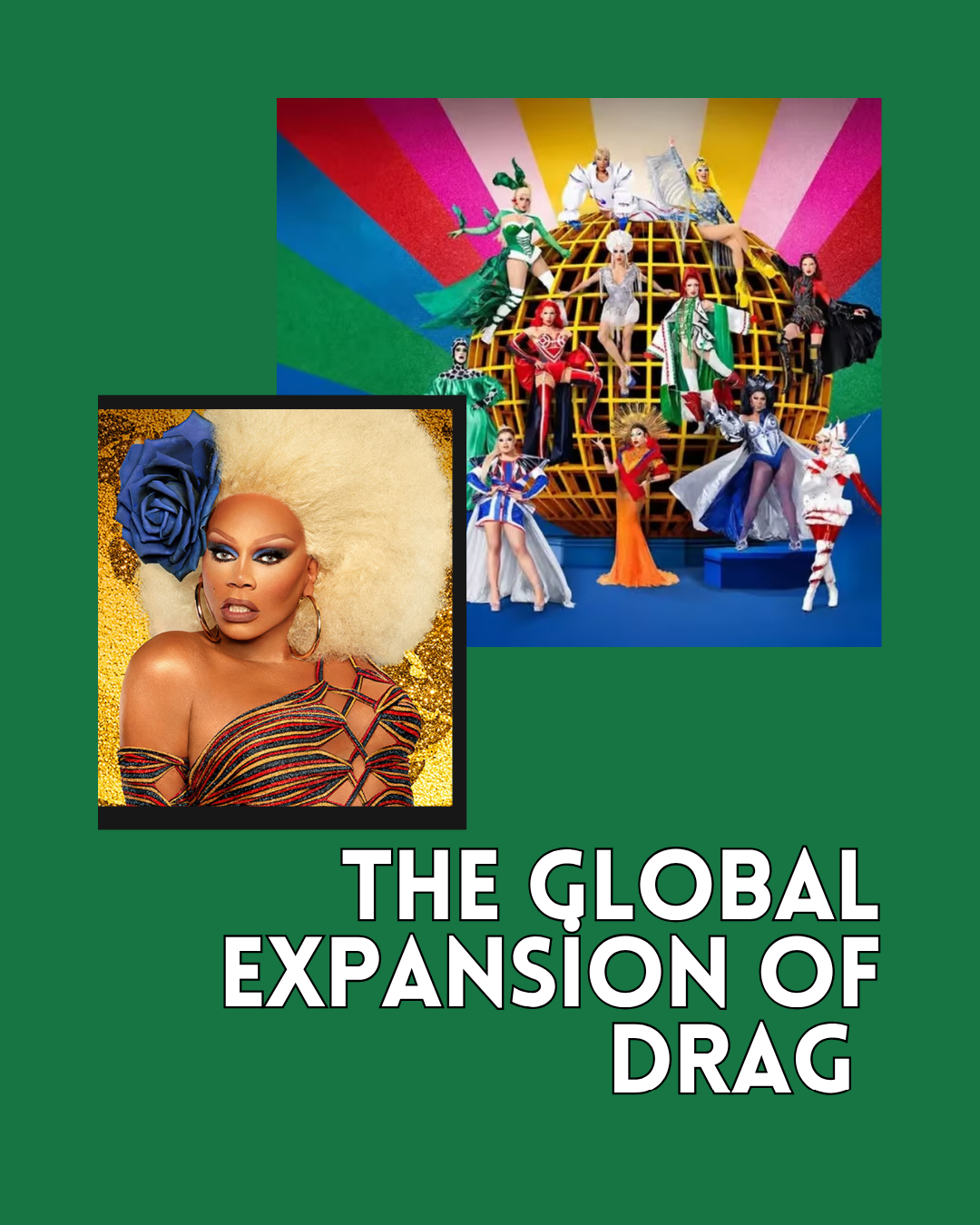
In the 2010s, drag became a worldwide phenomenon. International versions of RuPaul’s Drag Race appeared in countries like the UK, Canada, Spain, Brazil, and the Philippines, showcasing the diversity of drag culture. Each region brought its own history, humor, and traditions, proving that drag is a global language of creativity and pride.
Local drag scenes thrived, and queens became activists, educators, and community leaders. From charity work to political activism, drag artists used their platforms to advocate for equality and acceptance. The 2010s marked a time when drag was not only seen but celebrated across cultures - connecting people through beauty, performance, and courage.
-
![]()
2017 - Volusia Pride Pageant
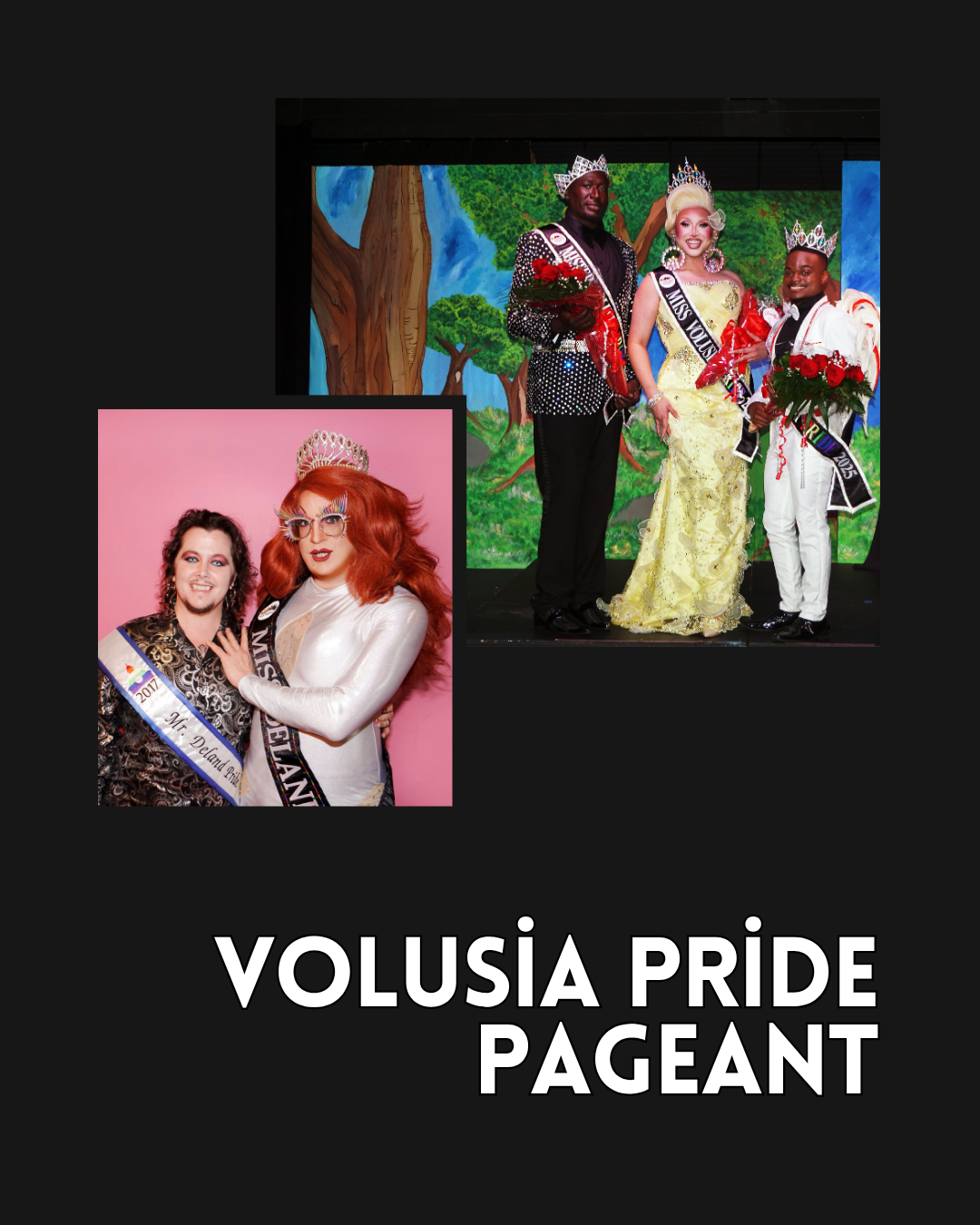
The Volusia Pride Pageant (formerly DeLand Pride Pageant) began in 2017 as a vibrant celebration of drag artistry and community pride. The inaugural emeritus titleholders, Ginger Beer and Diesel Beer, set the tone for excellence, creativity, and community spirit, helping to establish a legacy that continues to inspire performers and audiences alike. Beyond entertainment, the pageant serves as a platform for advocacy, self-expression, and leadership, celebrating drag as both an art form and a powerful vehicle for social change.
Over the years, the Volusia Pride Pageant has evolved to reflect the community it represents. Originally featuring the traditional Miss and Mr. categories, the competition expanded in 2024 to include the Mx division, creating a fully inclusive space for nonbinary and gender-diverse performers to shine. The addition of the Mx category not only broadened representation but also strengthened the pageant’s role as a beacon of inclusivity, creativity, and pride continuing its mission to uplift and empower the LGBTQ+ community across Volusia County.
-
![]()
2018 - Legal & Policy Changes Drag in Politics
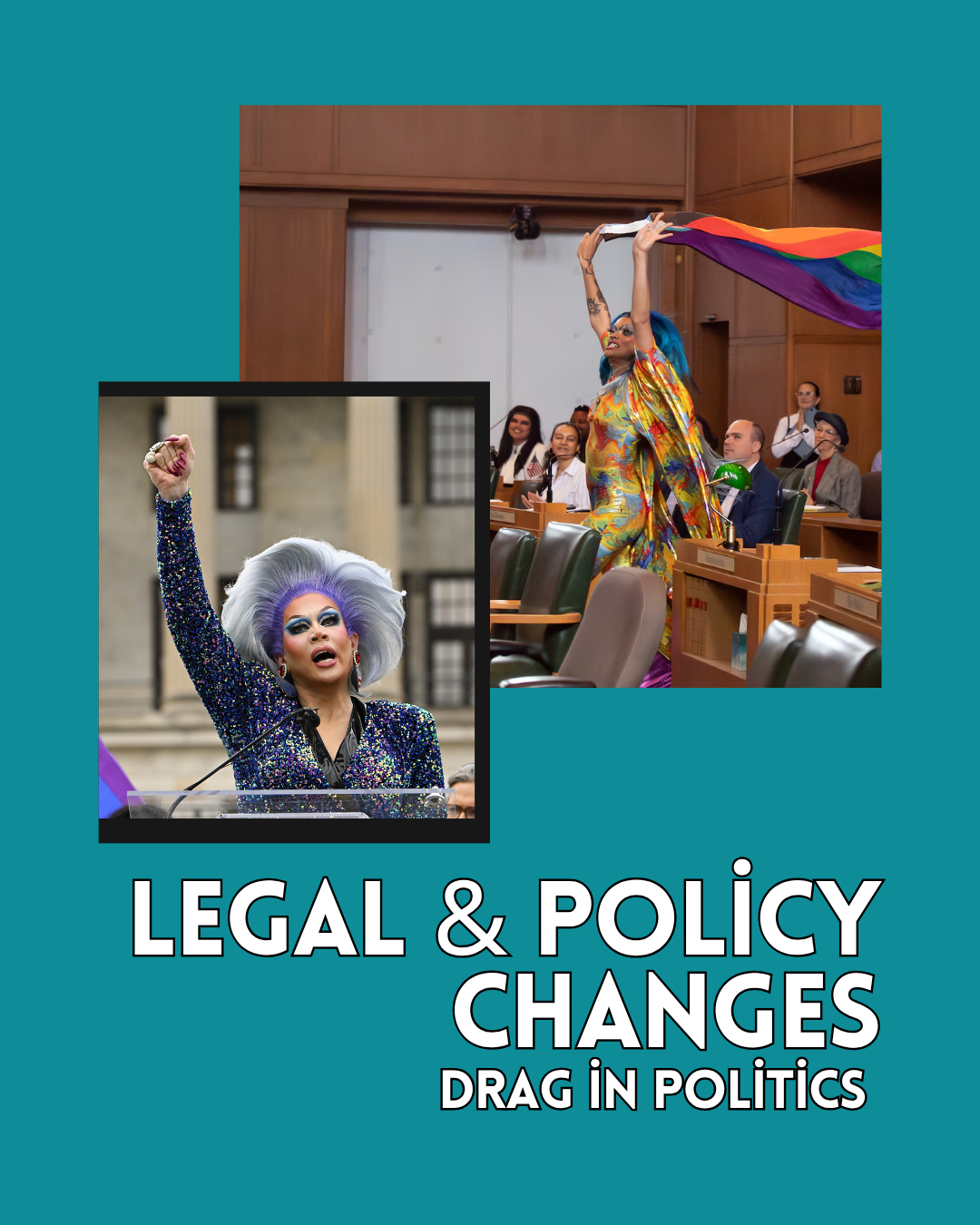
By 2018, drag had moved beyond the stage and into the public eye in new ways. More drag performers began using their platforms for activism, education, and political advocacy. Some appeared at city council meetings, in classrooms, and at Pride events to speak out for inclusion and equality. Around the same time, debates over drag story hours and gender expression in schools began appearing in national conversations.
While some communities tried to limit drag, others embraced it as a way to teach creativity and acceptance. Drag performers continued to show that their art was not only about performance, but also about visibility and empowerment. As drag gained more attention in the media, it reminded people that freedom of expression is a human right - one that countless artists have fought for throughout history.
-
![]()
2020s - Drag Today: Visibility, Resistance, and Joy
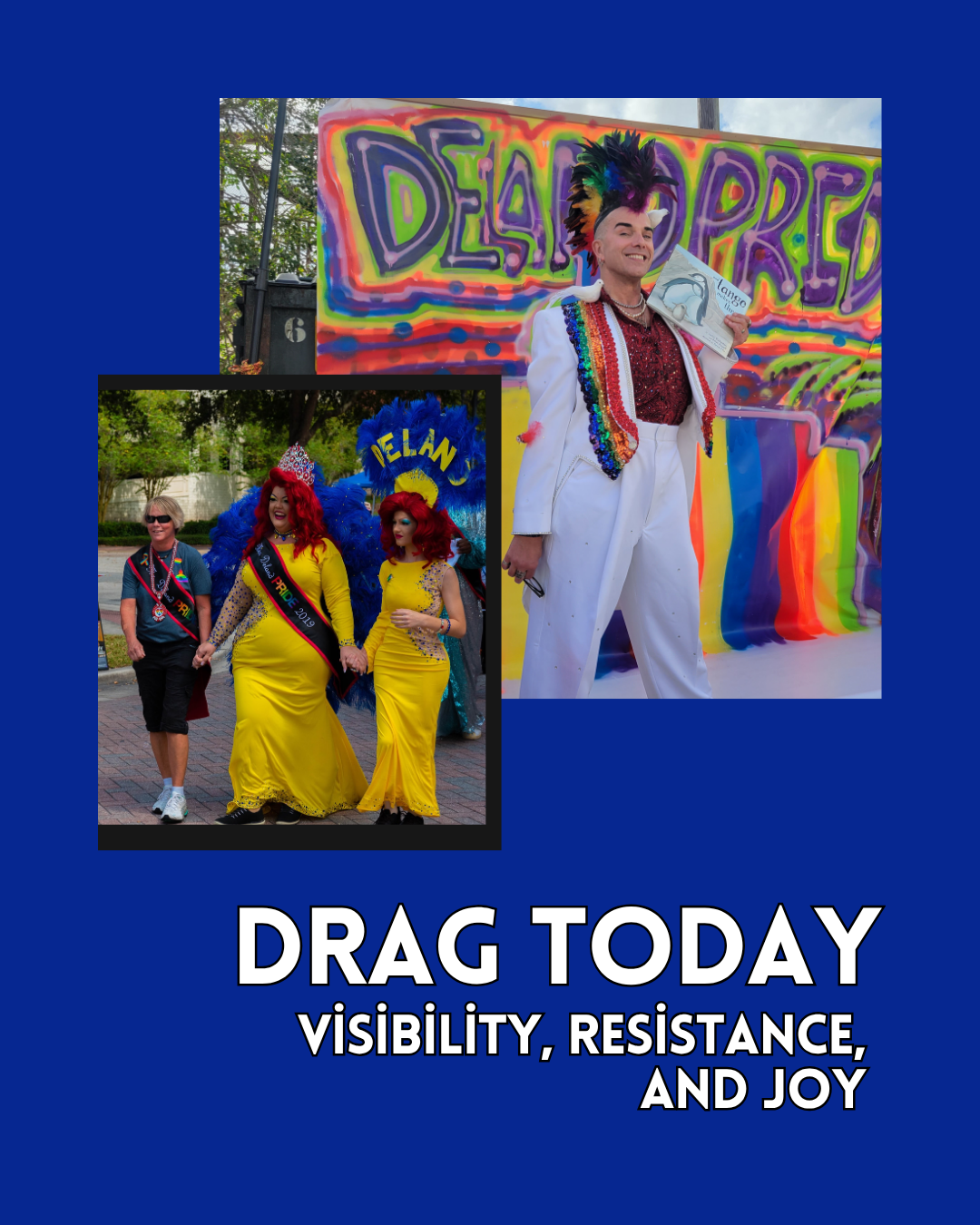
In the 2020s, drag remains one of the most vibrant forms of art and activism in the world. From small-town Pride events to global television shows, drag performers continue to inspire people to live authentically and proudly. Even as new laws and cultural debates challenge LGBTQ+ rights in some places, the drag community continues to rise with creativity, humor, and love. Social media has helped drag reach every corner of the world, connecting artists and fans who share the same message - that self-expression is powerful. Modern drag celebrates every gender, every body, and every story. It honors the queens, kings, and trailblazers who came before, turning centuries of struggle into beauty, laughter, and unity. Drag today is not just performance, it’s a movement that keeps the spirit of freedom alive.